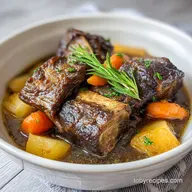
Slow Cooker Short Ribs: Rich and Tender
Red wine and a slow braise turn these short ribs into a sophisticated dinner that requires very little active preparation before the long, steady simmer.
red wine braise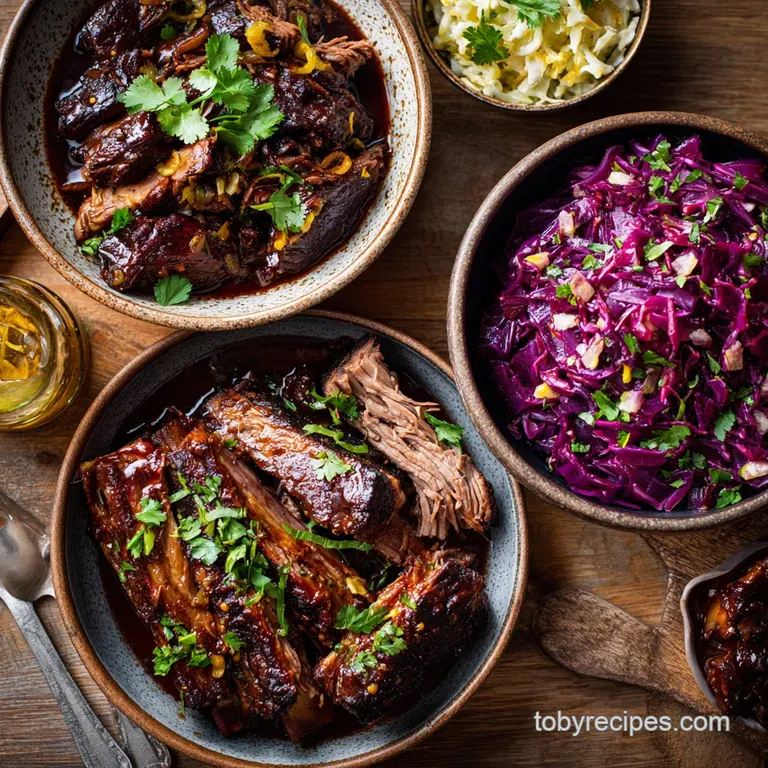
Slow cookers are the workhorses of the weeknight kitchen, turning tough cuts of meat into tender meals while you go about your day. Using a crockpot allows for deep flavor development that is hard to rush, especially for proteins like ribs or beef shanks that benefit from low-temperature braising.
Whether you are preparing a large family feast or prepping meat for sandwiches, these recipes focus on minimal active effort. The long cooking times ensure that even the most substantial cuts of beef and pork reach a point where they pull apart easily with a fork.
Focusing on beef cuts like chuck or short ribs ensures the meat stays succulent after several hours of braising. These recipes are designed for maximum tenderness, using liquids like red wine or brine to break down the protein fibers over a long, slow simmer.
Red wine and a slow braise turn these short ribs into a sophisticated dinner that requires very little active preparation before the long, steady simmer.
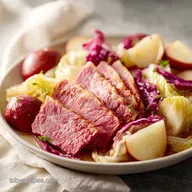
red wine braiseA traditional choice for a complete meal, this version simmers the beef with cabbage until everything is tender enough to slice easily with a fork.
traditional one-pot mealThis selection covers ribs and poultry that work well for casual family gatherings or sandwich meal prep. The hands-on time for these dishes is minimal, allowing the appliance to handle the heavy lifting of tenderizing the meat and infusing it with savory sauces.
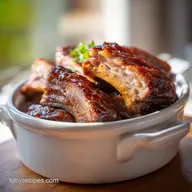
These ribs become tender after a long cook in the crockpot, finished with a savory glaze that mimics a classic barbecue style without needing a grill.
barbecue style sauceShredded chicken is a versatile base for sandwiches or wraps, using a sweet and tangy mustard sauce that develops deep flavor over several hours.
tangy honey mustard| # | Recipes | Best For | Time | Difficulty | Prep Time | Cook Time |
|---|---|---|---|---|---|---|
| 1 | Slow Cooker Short Ribs | dinner parties | 20 min active / 8 hr 20 min total | Easy | 20 min | 8 hr |
| 2 | Crockpot Corned Beef and Cabbage | traditional holiday meals | 15 min active / 10 hr 45 min total | Easy | 15 min | 10.5 hr |
| 3 | Slow Cooker Baby Back Ribs | weekend family dinners | 15 min active / 8 hr total | Easy | 15 min | 8 hr |
| 4 | Honey Mustard Shredded Chicken | sandwich meal prep | 10 min active / 6 hr 30 min total | Easy | 10 min | 6.5 hr |
Discover more curated recipe collections
Explore more recipe collections →