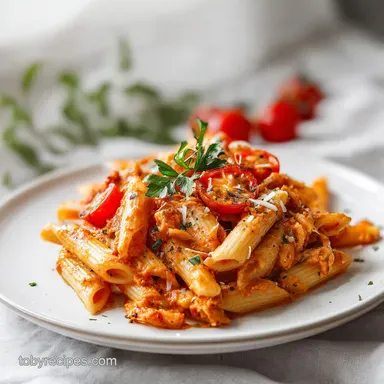
Creamy Tomato Pasta Bake: Velvety and Cheesy
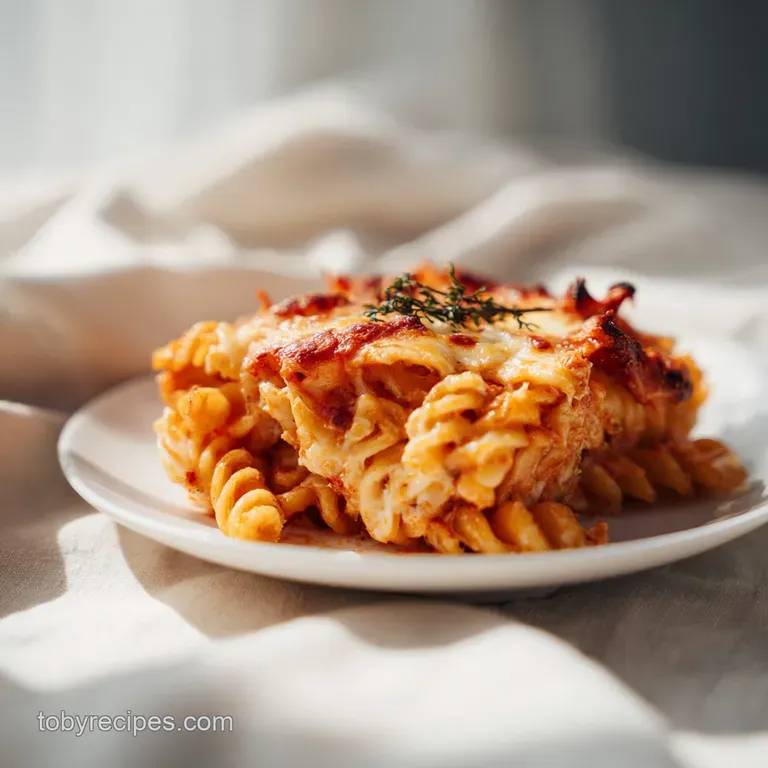
- Time: Active 15 minutes, Passive 25 minutes, Total 40 minutes
- Flavor/Texture Hook: Bubbling, molten mozzarella over a velvety, herb infused tomato sauce.
- Perfect for: Stress free Sunday family dinners or an impressive mid week meal prep.
- Simple Creamy Tomato Pasta Bake
- How the Sauce Stays Velvety
- Essential Recipe Numbers
- Ingredient Role Analysis
- Tools for the Best Bake
- Step-by-Step Cooking Guide
- Fixing Common Sauce Issues
- Easy Dietary Swaps
- Kitchen Myth Debunking
- Storage and Reheat Tips
- Beautiful Serving Ideas
- Recipe FAQs
- 📝 Recipe Card
Simple Creamy Tomato Pasta Bake
Ever wonder why a restaurant pasta bake stays saucy while home versions often turn into a dry, cheesy brick? It's a question that haunted my kitchen for years. I used to think adding more sauce was the answer, but I just ended up with soggy noodles swimming in red soup.
The real trick isn't the volume of liquid; it's how you handle the starch and the dairy before it even touches the oven.
This dish is the ultimate comfort. It has that deep, simmered all-day flavor of a classic San Marzano sauce but with a silky finish that only heavy cream can provide. When you pull this out of the oven, the sizzle of the bubbling mozzarella and the aroma of toasted garlic and basil will have everyone running to the table.
It's the kind of meal that makes you feel like a pro, even if you’re just wearing your favorite stained apron.
We've all been there, staring at a tray of baked ziti that looks more like a desert than a dinner. But today, we’re changing that. We’re going to walk through exactly how to keep that sauce clinging to every ridge of the rigatoni.
Trust me, once you see how the starchy water and the heavy cream interact, you’ll never go back to the jarred stuff again. Let's get into the details that actually matter.
How the Sauce Stays Velvety
Starch Binding: Reserved pasta water contains dissolved starches that act as a bridge between the watery tomato sauce and the fat in the cream.
Carryover Hydration: By pulling the pasta at 80% doneness, the noodles finish cooking inside the sauce, absorbing flavor instead of just sitting in it.
Lactic Stabilization: Heavy whipping cream has a high fat content that prevents it from curdling when meeting the acidic San Marzano tomatoes.
Thermal Inertia: A ceramic baking dish retains heat evenly, which prevents the cheese from breaking into grease before the center is hot.
| Cook Method | Total Time | Texture Result | Best For |
|---|---|---|---|
| Stovetop Only | 20 minutes | Loose and silky | Quick weekday lunch |
| Classic Bake | 40 minutes | Crispy edges, molten core | Weekend family dinner |
| Slow Cooker | 4 hours | Soft and integrated | Potlucks and large crowds |
Choosing between stovetop and oven is usually about texture. While the stovetop is faster, the bake creates those charred, crispy bits of cheese that everyone fights over. If you're in a rush, you can stop after step 6, but you'll miss out on that shattering crust that makes this simple creamy tomato pasta bake so iconic.
Essential Recipe Numbers
To get this right every time, you need to follow a few hard numbers. Precision is what separates a good cook from a lucky one.
| Ingredient | Science Role | Pro Secret |
|---|---|---|
| Rigatoni | Structural base | Ridges trap the heavy cream emulsion |
| San Marzano | Acidic foundation | These are sweeter and less watery than standard cans |
| Heavy Cream | Emulsifier | Never use low-fat; it will break in the oven |
| Pasta Water | Liquid gold | The salt and starch help the sauce stick |
Using the right pasta shape is actually a functional choice, not just a vibe. Rigatoni or Penne have hollow centers and outer ridges that act like tiny scoops for the sauce. If you use a smooth pasta like spaghetti, the sauce will just slide off and pool at the bottom of your baking dish.
Ingredient Role Analysis
Let’s talk about what’s actually going into the pan. Quality matters here because there are so few components.
- 1 lb (454g) Rigatoni or Penne pasta: Why this? The shape holds the sauce inside and out for maximum flavor. Substitute: Fusilli or shells.
- 1 tbsp Kosher salt: Why this? It seasons the pasta from the inside out during the boil. Substitute: Sea salt (use slightly less).
- 2 tbsp Extra Virgin Olive Oil: Why this? It carries the fat soluble flavors of the garlic and shallot. Substitute: Avocado oil or unsalted butter.
- 3 cloves Garlic, minced: Why this? Provides the sharp, aromatic base of the entire sauce. Substitute: 1 tsp garlic powder (not recommended).
- 1 medium Shallot, finely diced: Why this? Sweeter and more delicate than a standard white onion. Substitute: Half a small yellow onion.
- 28 oz (800g) Crushed San Marzano Tomatoes: Why this? Known for low acidity and thick, rich flesh. Substitute: Any high-quality crushed tomatoes.
- 1 cup (240ml) Heavy Whipping Cream: Why this? Creates the "creamy" element without curdling under high heat. Substitute: Whole milk mixed with 1 tbsp flour (will be thinner).
- 1/2 cup Fresh Basil, torn: Why this? Adds a bright, peppery finish that cuts through the fat. Substitute: 1 tbsp dried basil (simmer it longer).
- 1 tsp Red Pepper Flakes: Why this? Provides a back of-the throat warmth without being "spicy." Substitute: A pinch of cayenne or black pepper.
- 2 cups (225g) Shredded Low Moisture Mozzarella: Why this? Melts evenly without releasing too much water. Substitute: Provolone or Muenster.
- 1/2 cup (50g) Freshly Grated Parmesan: Why this? Adds a salty, nutty kick to the crust. Substitute: Pecorino Romano.
- 1/4 cup Panko Breadcrumbs (optional): Why this? Adds an extra layer of crunch to the cheese topping. Substitute: Crushed crackers.
Chef's Tip: Freeze your block of mozzarella for 10 minutes before grating. It makes the cheese firmer and prevents it from turning into a mushy mess against the grater.
Tools for the Best Bake
You don't need a kitchen full of gadgets, but a couple of items make this much easier. A large high sided skillet or a Dutch oven is non negotiable because you need enough space to toss the pasta with the sauce without it flying all over your stove.
I personally love using a 12 inch cast iron skillet for the sauce, then transferring it to a 9x13 ceramic dish.
The ceramic dish is actually better than metal for this specific recipe. Metal heats up very quickly, which can cause the edges of your pasta to dry out before the middle is hot. Ceramic has more "thermal mass," meaning it heats up slowly and stays warm longer once it’s on the table. If you're looking for a great side to prep while the oven is busy, this zesty pasta salad is a fantastic cold contrast for a big dinner party.
Step-by-step Cooking Guide
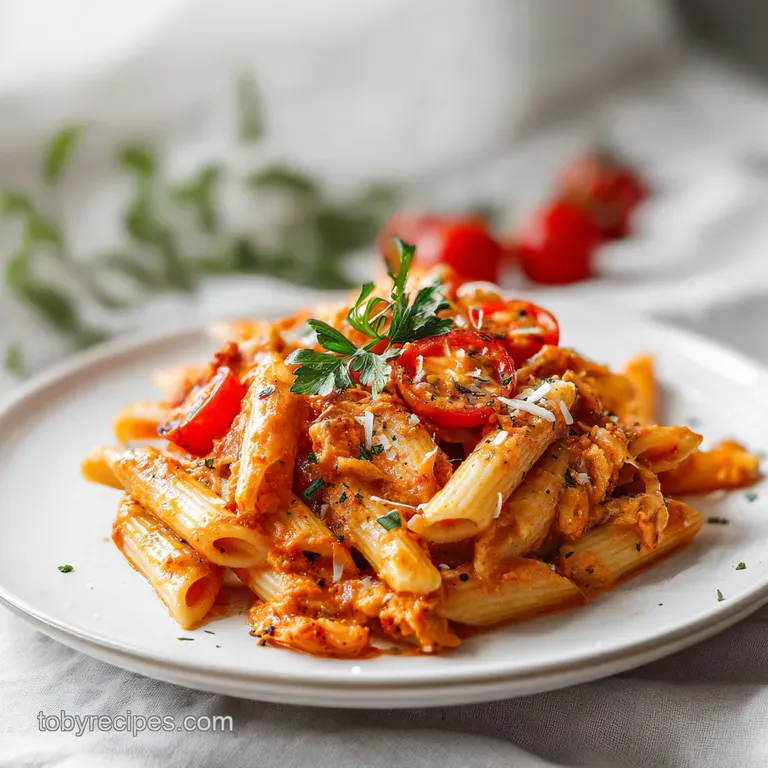
- Preheat your oven to 400°F (200°C). Bring a large pot of water to a boil and add the kosher salt. Note: Salting the water is your only chance to season the pasta itself.
- Boil the pasta for 80% of the package's recommended time until it is slightly firmer than al dente. Reserve 1 cup of starchy pasta water before draining.
- In a large high sided skillet or Dutch oven, heat the olive oil over medium heat. Sauté the diced shallots and minced garlic until soft and fragrant, about 3 minutes.
- Pour in the crushed tomatoes and red pepper flakes. Simmer for 10 minutes until the sauce thickens slightly and deepens in color.
- Lower the heat and slowly stream in the heavy whipping cream, stirring constantly until the sauce turns a pale orange and is fully smooth. Stir in the fresh torn basil.
- Add the par boiled pasta to the sauce. If the sauce looks too thick, add the reserved pasta water 1/4 cup at a time until the sauce clings to every noodle.
- Transfer the mixture to a 9x13 inch ceramic baking dish. Top evenly with shredded mozzarella and grated Parmesan (and panko if using).
- Bake for 15-20 minutes until the cheese is bubbling and has developed a deep golden brown crust. Let rest for 5 minutes before serving.
The 80% Pasta Rule
If the box says 10 minutes for al dente, boil it for 8. The pasta will continue to cook in the sauce while it's in the oven. If you cook it fully on the stove, it will turn into mush by the time the cheese is melted.
The Heavy Cream Tempering
Don't just dump cold cream into boiling tomatoes. Lower the heat first. A sudden temperature change or high acidity can cause even heavy cream to "feather" or grain slightly. Slow and steady wins the silky sauce race.
Starch Water Integration
That cloudy water you usually pour down the drain is gold. It contains the starch that leaked out of the pasta. When added to the sauce, it acts like a natural glue, helping the fat in the cream and the acid in the tomatoes stay happily married.
Fixing Common Sauce Issues
Even the best of us hit a snag sometimes. Most pasta bake problems come down to moisture management. If your sauce disappears into the noodles, it's usually because the pasta wasn't undercooked enough, or you skipped the reserved water.
| Problem | Root Cause | Solution |
|---|---|---|
| Dry pasta | Pasta absorbed all sauce | Add 1/2 cup extra sauce or pasta water before baking |
| Oily cheese | High fat cheese broke | Use low moisture mozzarella and don't overbake |
| Bland flavor | Lack of salt in water | Season the sauce heavily with salt and pepper before mixing |
Common Mistakes Checklist
- ✓ Never rinse your pasta after boiling; you need that surface starch for the sauce to stick.
- ✓ Don't use "fresh" mozzarella (the kind in water) for the top; it releases too much liquid and makes the bake soggy.
- ✓ Always let the dish rest for 5 minutes after baking to let the sauce set.
- ✓ Ensure your shallots are finely diced so they melt into the sauce rather than providing a crunchy surprise.
Easy Dietary Swaps
This recipe is incredibly flexible. If you want to bulk it up with protein, you can easily stir in some browned Italian sausage or shredded rotisserie chicken before you put it in the baking dish. It turns a simple creamy tomato pasta bake into a heavy duty meal that can feed an army.
If you’re looking for a lighter vibe, try swapping half the pasta for roasted cauliflower florets. The sauce treats the cauliflower just like noodles, and it’s a great way to sneak in some veggies. For those who are gluten-free, use a sturdy brown rice or corn based pasta, but be extra careful with the boil time as they can fall apart faster than wheat pasta. If you’re craving something sweet after all this savory goodness, a slice of strawberry cheesecake is the perfect palette cleanser.
Scaling the Recipe
- To Half (3 servings): Use an 8x8 inch pan. Reduce the baking time by about 5 minutes as the smaller mass heats through quicker.
- To Double (12 servings): Use two 9x13 pans rather than one giant one. Do not just double the red pepper flakes start with 1.5x and taste, as heat can compound.
| Premium Ingredient | Budget Alternative | Flavor Impact | Savings |
|---|---|---|---|
| San Marzano Canned | Standard Crushed | Slightly more acidic | $3.00 |
| Fresh Basil | Dried Basil | Less "bright" punch | $2.50 |
| Parmigiano Reggiano | Pre shredded Parm | Less nutty depth | $4.00 |
Kitchen Myth Debunking
"Adding oil to pasta water prevents sticking." This is actually a myth that hurts your recipe. The oil floats on top of the water and then coats the pasta as you drain it, which prevents your beautiful creamy sauce from actually sticking to the noodles. Just use plenty of water and stir occasionally.
"You must cook the sauce for hours for it to be good." While a long simmer is great for a bolognese, a creamy tomato sauce benefits from a shorter cook time to keep the tomato flavor bright and the cream tasting fresh. Ten minutes is plenty of time for the garlic and shallots to infuse the tomatoes.
Storage and Reheat Tips
Storage: Keep leftovers in an airtight container in the fridge for up to 4 days. This dish actually tastes better the next day as the flavors have more time to mingle.
Reheating: To avoid the "dried out leftovers" syndrome, add a splash of milk or water to the pasta before microwaving or reheating in the oven. This recreates the steam needed to loosen the sauce back up to its original velvety glory.
Zero Waste: Don't throw away the ends of your Parmesan wedges! Keep them in a bag in the freezer and toss one into the tomato sauce while it simmers (Step 4). It adds a massive hit of umami. Just remember to fish the rind out before adding the cream.
Beautiful Serving Ideas
Presentation is about contrast. Since the bake is mostly shades of orange and brown, you want something bright to wake up the eyes. A heavy sprinkle of fresh, torn basil right before serving is the easiest way to make this look like a $25 restaurant plate.
If you want to go the extra mile, place a fresh ball of Burrata cheese in the center of the dish right as it comes out of the oven. Break it open with a spoon so the cold, creamy center spills out over the hot pasta. The temperature contrast is incredible.
Serve it with a simple side of crusty garlic bread to mop up every last drop of that sauce. No one will ever guess how simple this actually was to put together.
Recipe FAQs
How to make a creamy tomato pasta bake?
Combine cooked rigatoni or penne with a simmered sauce of crushed San Marzano tomatoes, shallots, garlic, and heavy whipping cream. Transfer the mixture to a baking dish, top with mozzarella and Parmesan, and bake at 400°F (200°C) for 15-20 minutes until golden.
How to make a quick creamy pasta?
Sauté garlic and shallots in olive oil for 3 minutes, simmer with crushed tomatoes for 10 minutes, then whisk in heavy whipping cream. This method builds a rich, velvety sauce in less than 20 minutes before you even start the baking process.
Is it better to boil pasta before baking?
Yes, you must par-boil the pasta for 80% of its recommended time. If you bake dry noodles in sauce, they will not cook through properly or absorb the creamy flavor, resulting in an uneven, grainy texture.
How to make tomato pasta creamy?
Stream heavy whipping cream into your tomato sauce while stirring constantly to create a stable emulsion. Using starchy reserved pasta water to adjust the thickness also helps the sauce cling to the noodles for a smoother finish.
Is it true I can use fresh mozzarella for the topping?
No, this is a common misconception. Fresh mozzarella packed in water releases too much liquid during the 400°F bake, which will make your final dish soggy rather than perfectly crusted.
How to prevent the pasta from drying out when reheating?
Add a splash of water or milk to the leftovers before heating. This provides the necessary steam to loosen the sauce and restore its original velvety texture without losing flavor.
How to ensure the sauce sticks to the pasta?
Avoid rinsing the pasta after boiling it. The surface starch is essential for the sauce to adhere to the noodles, so drain it and immediately toss it into the skillet with your tomato and cream mixture.
Creamy Tomato Pasta Bake