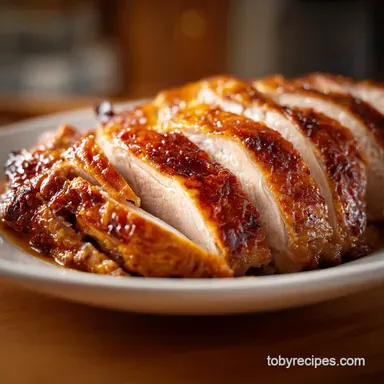
Oven Roasted Turkey Breast: Golden and Juicy
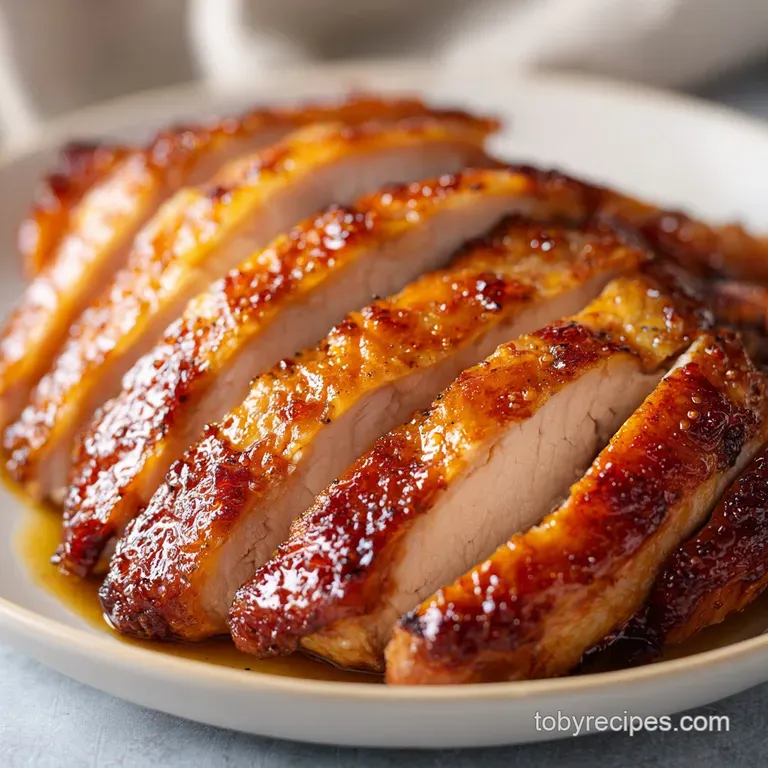
- Time:15 minutes active + 90 minutes cooking = Total 2 hours 5 mins
- Flavor/Texture Hook: Shattering golden skin with velvety, herb infused meat
- Perfect for: Thanksgiving dinner, Sunday roasts, or impressive meal prep
- The Best Oven Roasted Turkey Breast Recipe
- Avoiding The Dry Meat Disaster
- Turkey Component Breakdown
- Everything You Need
- Essential Kitchen Tools
- Step By Step Cooking
- Fixing Common Cooking Errors
- Easy Dietary Changes
- Adjusting Portion Sizes
- Turkey Kitchen Myths
- Keeping Leftovers Fresh
- Serving Your Roast
- Recipe FAQs
- 📝 Recipe Card
The Best oven roasted Turkey Breast Recipe
That first sizzle when the buttered skin hits the high heat is the sound of success. I remember one year I tried to "be healthy" and skipped the butter, only to end up with a bird that looked like a piece of wet cardboard. It was a disaster, and my guests were polite, but I could tell they were dreaming of a sandwich.
I spent the next few holidays obsessing over how to get that skin to actually shatter when you bite into it without drying out the meat.
Trust me on this, the secret isn't some fancy equipment. It's all about how you handle the heat and the fat. We've all had that experience where the outside is burnt to a crisp but the center is still shivering. It's a nightmare.
But once you get the rhythm of the "sear and slide" method, you'll realize that cooking a turkey breast is actually way less stressful than tackling a whole bird.
In this guide, I'm sharing exactly how to get a juicy result every single time. We'll cover the herb butter that does the heavy lifting and why the resting period is the most important part of the whole process.
Whether you're doing a full holiday spread or just want a fancy Sunday dinner, this is the only way to do it.
Avoiding The Dry Meat Disaster
The biggest fear with any turkey is the "desert effect," where you need a gallon of gravy just to swallow a slice. Most people make the mistake of cooking the bird at one steady temperature. That's a trap. By starting hot and then dropping the temp, we lock in the moisture and get that gorgeous color.
Here is what's actually happening under the hood:
The over High heat Shock: Starting at 425°F (218°C) triggers a fast sear on the skin. This creates a barrier that helps hold the internal juices in while the fat renders out.
The Gentle Finish: Dropping to 350°F (175°C) allows the heat to penetrate the thickest part of the breast slowly. This prevents the outer layers from overcooking before the center reaches a safe temperature.
The Juice Redistribution: When meat cooks, the fibers tighten and push moisture toward the center. Resting lets those fibers relax and the juices flow back to every inch of the meat.
The Butter Buffer: Placing butter directly under the skin creates a protective layer of fat. It bastes the meat from the inside out, keeping the texture velvety.
| Feature | Fresh Bone In Breast | Pre Seasoned/Shortcut | Impact |
|---|---|---|---|
| Control | Total control of salt/herbs | Fixed flavor profile | Fresh allows custom seasoning |
| Texture | Better skin snap | Often softer skin | Fresh is superior for crunch |
| Cost | Usually cheaper per lb | Price premium for prep | Fresh is more budget friendly |
Turkey Component Breakdown
I like to think of the ingredients as a team. The butter and herbs are the stars, but the lemon and onion are the unsung heroes that keep the meat from sticking and add a subtle aromatic base.
| Ingredient | Science Role | Pro Secret |
|---|---|---|
| Unsalted Butter | Fat conductor | Soften it just enough to spread, not melt |
| Kosher Salt | Moisture binder | Salt early to brine the meat naturally |
| Lemon/Onion | Natural rack | Prevents the bottom from scorching |
| Fresh Thyme/Rosemary | Aromatic oils | Chop finely so they stick to the meat |
Everything You Need
For this recipe, we're keeping it simple and budget smart. If you can't find fresh rosemary, dried works, just use a third of the amount. Don't even bother with low-fat butter; the fat is what provides the flavor and the moisture.
- 1 bone in, skin on turkey breast (6-8 lbs) Why this? Bone in adds more flavor and prevents overcooking
- 1 tbsp kosher salt Why this? Larger grains are easier to distribute evenly
- 1 tsp cracked black pepper Why this? Coarse pepper adds a nice bite
- 1 lemon, halved Why this? Acidity cuts through the rich butter
- 1 small yellow onion, quartered Why this? Adds sweetness and creates a roasting bed
- 1/2 cup unsalted butter, softened Why this? The primary moisture barrier
- 3 cloves garlic, minced Why this? Classic aromatic base
- 1 tbsp fresh rosemary, finely chopped Why this? Earthy, piney notes
- 1 tbsp fresh thyme, finely chopped Why this? Sweet, herbal fragrance
- 1 tsp paprika Why this? Mainly for that deep golden color
- 1/2 tsp salt (for the butter) Why this? Seasoning the fat enhances the meat
Smart Ingredient Swaps
| Original Ingredient | Substitute | Why It Works |
|---|---|---|
| Unsalted Butter | Ghee (clarified butter) | Higher smoke point. Note: Slightly nuttier flavor |
| Fresh Herbs | Dried Herbs (1 tsp each) | Concentrated flavor. Note: Less "bright" than fresh |
| Yellow Onion | Carrots/Celery mix | Same aromatic base. Note: Adds more sweetness |
Right then, once you've got your gear ready, let's get into the actual process.
Essential Kitchen Tools
You don't need a professional kitchen for this, but a few things make life easier. A roasting pan with a rack is great, but using the onion and lemon as a "natural rack" is a brilliant budget hack that adds flavor to the pan drippings.
I highly recommend using a digital meat thermometer. Guessing the doneness of a turkey is a gamble I'm no longer willing to take. A simple probe thermometer ensures you don't pull it out too early or leave it in until it's a brick.
If you have a cast iron skillet, you can even sear the breast on the stove first, but for this specific oven roasted turkey breast recipe, the over high heat oven start does the trick.
Step by step Cooking
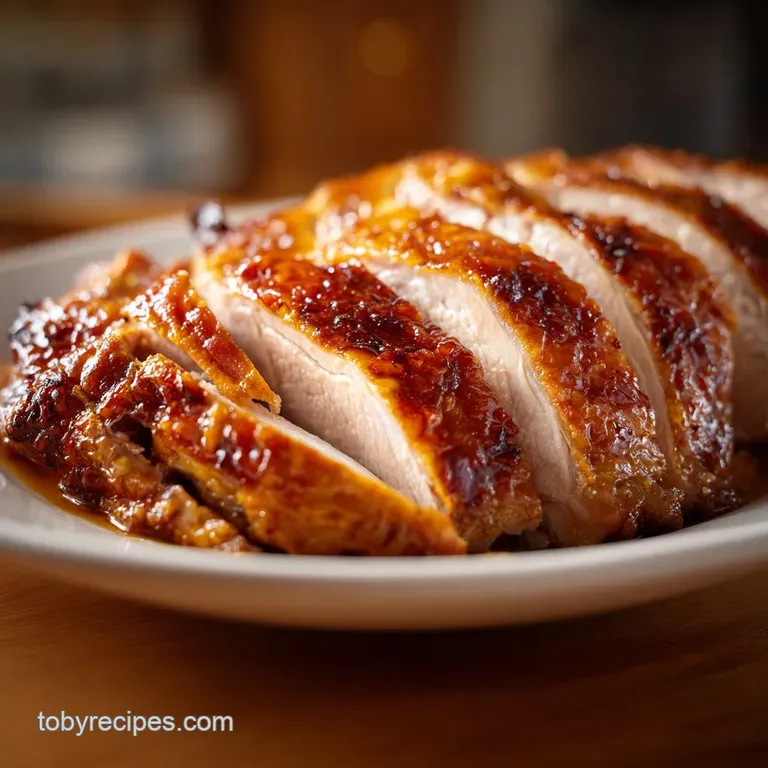
Let's crack on. Make sure your turkey is at room temperature for about 30 minutes before you start; it helps the meat cook more evenly.
- Pat the turkey breast completely dry with paper towels. Note: Moisture on the skin creates steam, which prevents it from getting crispy.
- Season the skin generously with salt and pepper.
- In a small bowl, mix the softened butter, minced garlic, chopped rosemary, chopped thyme, paprika, and salt until smooth.
- Carefully loosen the skin with your fingers and slide half of the compound butter directly onto the meat. Note: This is the "moisture lock" step.
- Rub the remaining butter all over the exterior skin.
- Preheat your oven to 425°F (218°C).
- Place the quartered onion and halved lemon in the bottom of a roasting pan, then place the turkey on top.
- Roast at 425°F for 20 minutes until the skin begins to bubble and turn golden.
- Lower the oven temperature to 350°F (175°C) and continue roasting for 60 to 90 minutes.
- Every 30 minutes, spoon the pan juices back over the breast to keep the meat moist.
- Remove the turkey from the oven when the internal temperature is 5 degrees below your target temperature. Note: According to USDA guidelines, you want to hit the safe internal temp, but the meat will continue to rise while resting.
- Let the turkey rest for 20 minutes before carving.
Chef's Tip: If you want a deeper flavor, add a teaspoon of espresso powder to your butter mix. It doesn't taste like coffee; it just makes the savory notes pop.
Fixing Common Cooking Errors
Even the best of us mess up sometimes. The most common issue is the timing. Since every oven is a bit different, you can't rely solely on the clock.
"The skin is getting too dark, but the inside is raw"
This usually happens if your oven runs hot or the breast is shaped unevenly. The fix is simple: tent the bird. Just drape a piece of aluminum foil loosely over the top. It blocks the direct heat from the top element but lets the rest of the bird continue cooking.
"The meat feels tough or dry after carving"
If the meat is dry, you likely skipped the rest or overcooked it by even 5-10 degrees. Turkey is lean, so it has no room for error. Next time, pull it out earlier.
| Problem | Root Cause | Solution |
|---|---|---|
| Pale Skin | Oven temp too low | Increase heat for last 10 mins |
| Undercooked Center | Turkey was too cold | Let bird sit at room temp first |
| Butter Leaked Out | Butter was too melted | Use softened, not melted butter |
Common Mistakes Checklist
- ✓ Did you pat the skin bone dry?
- ✓ Is the butter under the skin, not just on top?
- ✓ Did you remember to lower the temp after 20 minutes?
- ✓ Did you use a thermometer instead of a timer?
- ✓ Did you actually wait the full 20 minutes to rest?
Easy Dietary Changes
If you're cooking for a crowd with different needs, you can easily tweak this oven roasted turkey breast recipe without losing the vibe.
For a dairy-free Alternative: Swap the butter for a high-quality vegan butter or avocado oil. Avocado oil has a high smoke point and works great, though you'll lose that classic buttery flavor. If you use oil, mix it with a bit of lemon zest to keep the brightness.
For a Low Sodium Version: Use unsalted butter and replace the kosher salt with a mix of smoked paprika and onion powder. You get the "savory" hit without the sodium spike.
For a Roasted Boneless Turkey Breast Recipe: If you're using a boneless breast, be careful! Without the bone to act as an insulator, these cook much faster. Reduce the slow roast time by about 15-20 minutes and check the internal temp more frequently.
Adjusting Portion Sizes
Depending on who's coming over, you might need to scale this up or down.
Scaling Down (Smaller Breast): If you have a 3-4 lb breast, reduce the roasting time by about 20%. Use a smaller pan so the juices don't evaporate too quickly, which can lead to dry meat.
Scaling Up (Multiple Breasts): If you're roasting two breasts, don't crowd the pan. Give them at least 2 inches of space, or they'll steam instead of roast, and you'll lose that shatter crisp skin. Increase your salt and herbs to about 1.5x, but keep the liquids the same.
| Preference | Action | Expected Result |
|---|---|---|
| Extra Crispy | Add 5 mins at 425°F | Darker, crunchier skin |
| Ultra Tender | Brine for 4 hours | More moisture, saltier taste |
| Fast Prep | Use pre cut breast | Saves 10 mins, less flavor |
Turkey Kitchen Myths
Let's clear some things up. I've heard so many "rules" that are actually just myths.
Myth: Searing seals in the juices. This is a classic. Searing doesn't create a waterproof seal. Moisture loss happens throughout the cooking process. The sear is for flavor and texture, not for "locking" liquid inside.
Myth: You must baste every 10 minutes. Basting is nice, but doing it too often opens the oven door, letting all the heat out. Baste every 30 minutes. It's enough to keep the bird moist without ruining your oven's temperature.
Keeping Leftovers Fresh
Turkey is great, but it's also the king of leftovers. To keep it from becoming rubbery, store the carved meat in an airtight container with a splash of chicken broth or a bit of the pan drippings.
Fridge: Keeps for 3-4 days. Freezer: Wraps tightly in foil and plastic, it lasts 3 months.
Zero Waste Tip: Don't toss the bone and the veggie scraps! Throw the roasted bone, onion, and lemon into a pot with water and a few peppercorns. Simmer for 4 hours, and you've got a rich, homemade stock. This is perfect for a soup or the base of a gravy.
Serving Your Roast
When you're ready to carve, slice against the grain for the most tender bite. I love serving this with something tart to balance the richness of the herb butter. If you've got leftovers, they make an incredible Leftover Cranberry Turkey Sandwich recipe the next morning.
For sides, something crispy and cheesy is the way to go. I usually pair this with some Cheesy Zucchini Tater Tots to give the plate some color and a different texture. Right then, just plate it up, pour a bit of those pan juices over the top, and you're done. Enjoy!
Recipe FAQs
How long should you cook a turkey breast in the oven?
Roast for 80 to 110 minutes total. Start with 20 minutes at 425°F to crisp the skin, then lower the heat to 350°F for another 60 to 90 minutes.
How to bake a turkey breast without drying it out?
Spoon the pan juices back over the breast every 30 minutes. Always let the meat rest for 20 minutes after removing it from the oven so the juices redistribute.
Is it better to cook a turkey breast at 350 or 325?
Use 350°F for the main roasting phase. This temperature, combined with an initial high heat blast, ensures a golden exterior and tender interior.
Do you cover a turkey breast when cooking it in the oven?
No, keep it uncovered. Covering the turkey traps steam, which makes the skin soggy instead of crispy.
Is it true I must brine the turkey for 24 hours to keep it moist?
No, this is a common misconception. Sliding compound butter directly onto the meat under the skin provides enough moisture and flavor for a juicy result.
Can I use a frozen turkey breast for this recipe?
No, ensure the meat is fully thawed. Frozen turkey cooks unevenly and prevents the skin from browning properly.
What are the best side dishes for roasted turkey breast?
Pair it with tart and creamy flavors. This savory roast goes perfectly with a creamy cranberry dip for a classic holiday balance.
oven roasted Turkey Breast