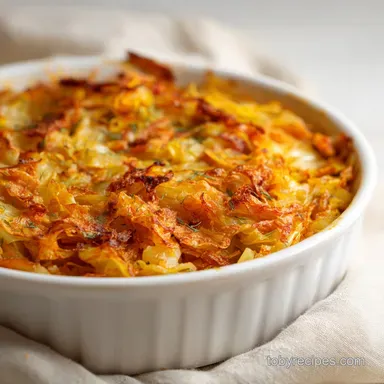
Stuffed Cabbage Casserole: Hearty and Baked
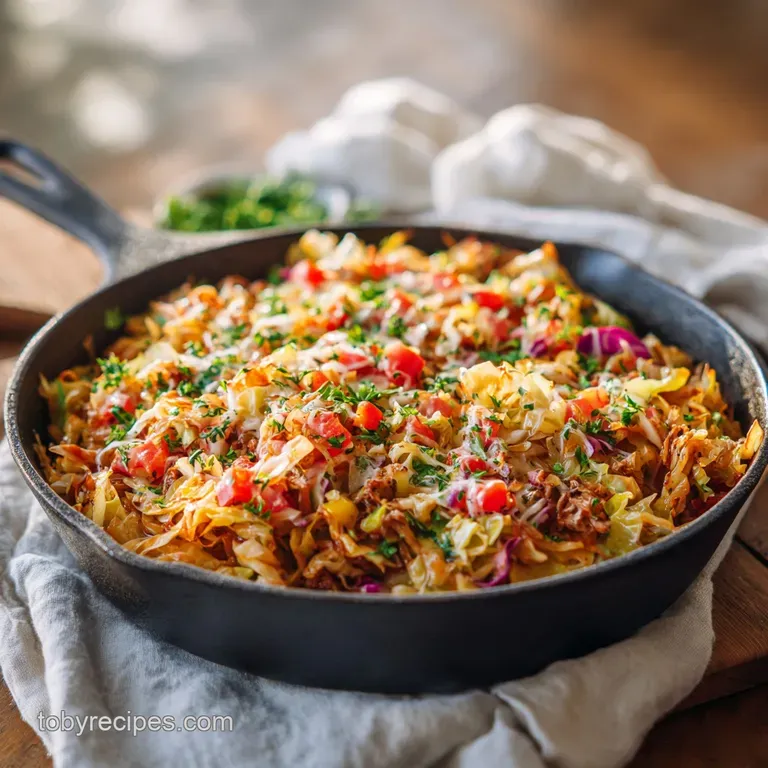
- Time:15 minutes active + 60 minutes baking = 75 minutes total
- Flavor/Texture Hook: Tender, velvety cabbage with a savory agrodolce sauce
- Perfect for: Budget conscious family dinners and weekly meal prep
- Making the Ultimate Stuffed Cabbage Casserole
- Why Tradition Matters Most
- Quick Prep Guide Details
- Choosing the Best Ingredients
- Tools for Kitchen Success
- Step by Step Method
- Solving Common Cooking Errors
- Flavorful Variations and Substitutes
- Keeping Your Leftovers Fresh
- Best Sides for Serving
- Kitchen Myths
- Very High in Sodium
- Recipe FAQs
- 📝 Recipe Card
Making the Ultimate Stuffed Cabbage Casserole
The air in my kitchen right now smells like a rainy Sunday in Krakow, and I’m not even slightly mad about it. If you grew up in a household with Eastern European roots, you know that specific aroma: the sharp, bright tang of vinegar clashing with the earthy, sweet smell of simmering cabbage.
Stuffed cabbage, or holubtsi and galumpki depending on who you ask, is the ultimate "grandma food." It’s a dish that represents patience, but honestly, who has the time to blanch, peel, and roll twenty individual cabbage leaves on a Tuesday night?
I remember watching my aunt spend three hours carefully tucking ground meat into cabbage blankets, only for us to devour them in ten minutes. I loved the flavor, but I hated the effort. That’s why this Stuffed Cabbage Casserole is such a win.
It takes all those soul warming flavors the mahogany crusted beef, the tender rice, and that signature tomato based sauce and turns them into a layered masterpiece that’s significantly more approachable.
We aren't sacrificing any of the tradition here; we're just making it work for our modern, busy lives.
This version is all about the balance of "agrodolce," which is just a fancy way of saying sweet and sour. By using apple cider vinegar and a touch of brown sugar, we cut through the richness of the ground beef chuck.
It’s a budget friendly powerhouse that relies on humble ingredients like green cabbage and onions to do the heavy lifting. If you've been looking for a way to use that giant head of cabbage sitting in your crisper drawer, this is the recipe that will actually make your family ask for seconds.
Why Tradition Matters Most
Maillard Reaction: Searing the beef until it develops a deep brown crust creates complex flavor molecules that raw simmering simply can't match.
Agrodolce Balance: The combination of vinegar and sugar mimics the fermented tang of traditional sour cabbage without the long pickling process.
Starch Integration: Cooking the raw rice directly in the beef broth and tomato juices allows it to soak up all the seasoned fats rather than just water.
Cabbage Pre Treatment: Par sauteing the cabbage removes excess water before baking, which prevents the entire casserole from becoming a soggy, diluted mess.
Moisture Control: Using bone broth instead of plain water adds gelatin and body, resulting in a velvety sauce that clings to every grain of rice.
| Cabbage Cut | Cook Time | Texture | Best For |
|---|---|---|---|
| 1 inch squares | 60 minutes | Velvety & tender | Traditional casserole feel |
| Fine shreds | 45 minutes | Soft & integrated | Quick weeknight versions |
| Large wedges | 75 minutes | Hearty & chunky | Slow cooked Sunday dinner |
Choosing the right cut for your cabbage makes a massive difference in how the final dish feels on the fork. I personally swear by the 1 inch squares because they hold their shape just enough to provide a bit of "bite" while still melting into the beef mixture.
If you're in a rush, you can shred it like coleslaw, but you'll lose that distinct layered texture that makes this feel like a real meal rather than just a bowl of mush. Trust me on the squares; it’s the sweet spot for texture.
Quick Prep Guide Details
| Component | Science Role | Pro Secret |
|---|---|---|
| Ground Beef Chuck | Fat and Umami | Don't stir for 3 minutes to get a proper sear. |
| Green Cabbage | Structure and Fiber | Use the core heavy parts for better crunch. |
| Apple Cider Vinegar | Acidic Brightness | It breaks down tough fibers in the cabbage faster. |
| Long grain Rice | Liquid Absorption | Rinse it first to prevent the sauce from getting gummy. |
The relationship between the rice and the beef broth is where the magic happens. Many people make the mistake of using pre cooked rice, but then you lose the opportunity for the rice to act as a sponge for all those savory juices.
By using uncooked long grain white rice, the grains swell up with the beef bone broth and tomato sauce, becoming little flavor bombs. Just make sure you don't use minute rice here, or you'll end up with a texture that's closer to porridge than a structured casserole.
Choosing the Best Ingredients
When you're working with a budget smart recipe like this Stuffed Cabbage Casserole, the quality of your base ingredients is everything. Let's talk about the beef first. You want ground beef chuck, specifically 80/20 or 85/15. Why? Because that fat is where the flavor lives.
If you go too lean, the rice will be dry and the meat will feel crumbly. That tablespoon of fat we leave in the pan after browning is the secret to a rich, professional tasting sauce.
The cabbage is the star of the show, obviously. A standard green cabbage is your best bet because it’s sturdy and holds up to an hour in the oven. If you find a Savoy cabbage on sale, you can use that too it has beautiful crinkly leaves that catch the sauce but it cooks a bit faster, so keep an eye on it.
Avoid red cabbage for this specific dish, though; it turns an unappetizing shade of grey blue when cooked with beef and takes much longer to soften properly.
- 1.5 lbs ground beef chuck: Provides the essential fat and protein base. Why this? Higher fat content ensures the rice stays moist during the long bake.
- 1 medium green cabbage (900g): The structural backbone of the dish. Why this? It becomes sweet and tender without disintegrating during the 60 minute bake.
- 1 cup long grain white rice: Absorbs the cooking liquid. Why this? Holds its shape better than short grain rice in a casserole setting.
- 1 cup beef bone broth: Adds depth and protein. Why this? Richer than water, providing a velvety mouthfeel to the finished sauce.
- 2 tbsp apple cider vinegar: Adds the necessary tang. Why this? Mimics the flavor of fermented cabbage common in traditional recipes.
- 15 oz tomato sauce: The primary liquid for the "gravy." Why this? Provides a smooth, consistent base for the rice to cook in.
- 14.5 oz diced tomatoes: Adds texture and acidity. Why this? Chunks of tomato provide a fresh contrast to the savory beef.
If you're looking for a slightly different take on this flavor profile, you might want to check out my skillet cabbage recipe which is a bit faster for those nights when the oven feels like too much work. It uses similar ingredients but focuses on a quicker stovetop finish.
| Original Ingredient | Substitute | Why It Works |
|---|---|---|
| Ground Beef Chuck | Ground Turkey (93/7) | Lower calorie, but add 1 tbsp olive oil for moisture. |
| Apple Cider Vinegar | Red Wine Vinegar | Similar acidity level but with a deeper, fruitier note. |
| Beef Bone Broth | Vegetable Stock | Lighter flavor profile; good for a less "meaty" taste. |
| Long grain White Rice | Brown Rice | Nuttier flavor. Note: Requires 15 mins extra cook time. |
Tools for Kitchen Success
You don't need a professional kitchen to pull this off, but one specific tool makes it infinitely easier: a heavy bottomed Dutch oven. I use my Lodge cast iron one for almost everything. The heavy lid creates a perfect seal, which is crucial for steaming the rice and cabbage simultaneously.
If you don't have a Dutch oven, a deep, oven safe skillet covered tightly with a double layer of heavy duty aluminum foil will do the trick. Just make sure the seal is tight, or the liquid will evaporate and you'll end up with crunchy rice the ultimate casserole heartbreak.
A sharp chef's knife is also non negotiable here. Chopping a whole cabbage into 1 inch squares can be a bit of a workout. I find it easiest to quarter the cabbage first, remove the core, and then slice each quarter into thick ribbons before turning them into squares.
Don't worry about them being perfectly uniform; this is a rustic dish. You'll also want a sturdy wooden spoon or a flat edged spatula for scraping up those "fond" bits the brown stuff after you sear the beef. That’s where the real flavor is hiding.
Step by step Method
- Heat the oven. Preheat to 175°C (350°F) and ensure your rack is in the center position for even heat distribution.
- Prep the vegetables. Chop the 900g cabbage into 1 inch squares and finely dice your onion and garlic cloves.
- Sear the beef. Heat your Dutch oven over medium high heat with no oil. Add the 680g ground beef and leave it alone for 3 minutes until a deep brown crust forms on the bottom.
- Aromatize the meat. Add the diced onions and garlic to the beef. Sauté for about 5 minutes until the onions are soft and translucent.
- Season and deglaze. Stir in the smoked paprika, thyme, salt, pepper, tomato sauce, diced tomatoes, apple cider vinegar, and brown sugar. Use your spoon to scrape any browned bits off the bottom of the pan.
- Hydrate the rice. Pour in the 1 cup of beef bone broth and add the uncooked rice. Bring the whole mixture to a gentle simmer until small bubbles break the surface.
- Sauté the cabbage. In a separate pan (or remove the meat and use the same one), heat the 2 tbsp neutral oil and toss the cabbage squares over high heat for 4-5 minutes until they start to wilt and brown slightly.
- Layer and cover. Stir the wilted cabbage into the beef and rice mixture. Smooth the top with a spatula and cover the pot tightly with its lid.
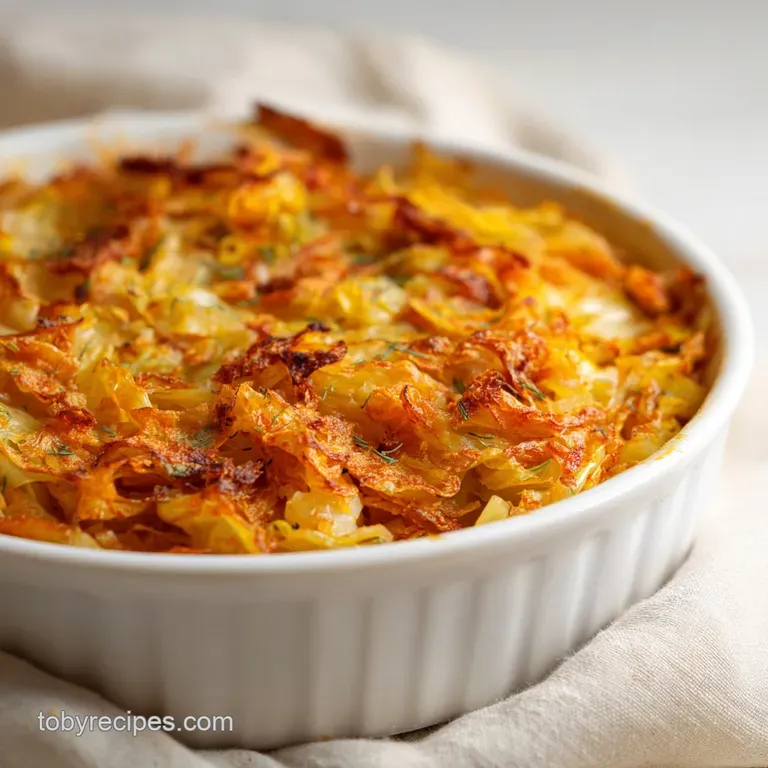
- Bake the casserole. Place in the oven for 45-50 minutes. You’ll know it's ready when the rice is tender and the liquid is mostly absorbed.
- Rest and serve. Remove from the oven and let it sit for 5 minutes. This allows the starches to settle so the sauce thickens and clings to the ingredients.
Chef's Tip: If you want a bit of a crispy top, remove the lid for the last 10 minutes of baking. The sugar in the tomato sauce will caramelize slightly against the edges of the pot.
Solving Common Cooking Errors
One of the most frequent issues I hear about with any Stuffed Cabbage Casserole is the "crunched rice syndrome." It usually happens because either the seal on the pot wasn't tight enough or there wasn't quite enough liquid to penetrate the grains. If you find yourself in this position, don't panic.
You can usually save it by adding a splash more broth and popping it back in the oven for 10 minutes.
Fixing Crunchy Rice
If the timer goes off and your rice still has a bite, the moisture escaped before the starch could fully gelatinize. This often happens if you're using an older bag of rice, which tends to be drier.
Simply pour 1/4 cup of boiling water over the top, stir gently, and reseal the lid tightly for another 10-15 minutes of baking.
Avoiding a Watery Mess
Cabbage is about 90% water. If you skip the par sauteing step, all that water is released inside the casserole, which dilutes your beautiful sauce into a thin soup. By hitting it with high heat first, you cook off that initial moisture and concentrate the cabbage's natural sugars.
It’s an extra step, but it’s the difference between a "good" and "great" result.
| Problem | Root Cause | Solution |
|---|---|---|
| Bland Flavor | Under seasoned beef | Add an extra pinch of salt and a dash of vinegar at the end. |
| Greasy Sauce | Too much beef fat | Skim the surface with a spoon or blot with a paper towel. |
| Tough Cabbage | Squares cut too large | Increase bake time by 10 mins or cut into smaller pieces next time. |
Common Mistakes Checklist
- ✓ Pat the beef dry with a paper towel if it looks wet before browning to ensure a proper sear rather than steaming.
- ✓ Don't skip the sugar; it might seem weird, but it balances the vinegar and mimics the traditional sweet sour profile.
- ✓ Rinse your rice in a fine mesh sieve until the water runs clear to remove excess surface starch.
- ✓ Check the seal of your lid; if it’s loose, use a layer of foil underneath the lid to trap the steam.
- ✓ Let it rest for at least 5 minutes before serving; the sauce needs time to "grip" the rice.
Flavorful Variations and Substitutes
If you're looking for something with a bit more of a kick, you can easily adapt this base. For those interested in a faster weeknight option that keeps things light, I sometimes point people toward my taco casserole recipe because it uses a similar layered technique but with different spice profiles. But staying within the cabbage family, there are plenty of ways to mix this up.
Keto Friendly Swaps
To make this a low carb dream, swap the white rice for riced cauliflower. However, a big warning: do NOT add the bone broth if using cauliflower rice. Cauliflower releases its own liquid and doesn't absorb moisture like grain rice does.
You’ll want to reduce the total liquid by half and reduce the bake time to about 30 minutes, otherwise, it will turn into a veggie mash.
Using Different Proteins
Ground pork or a 50/50 mix of beef and pork is actually more traditional in many parts of Ukraine and Poland. The pork adds a sweetness and a softer texture to the meat layer. If you're using ground turkey or chicken to keep it lean, be sure to add a teaspoon of Worcestershire sauce to the mix to make up for the lost savory depth of the beef.
| Method | Time | Texture | Best For |
|---|---|---|---|
| Standard Oven | 60 mins | Evenly tender | Best overall flavor |
| Slow Cooker | 6 hours (Low) | Very soft/melted | Set and forget |
| Pressure Cooker | 15 mins (High) | Compressed/dense | Last minute dinner |
Keeping Your Leftovers Fresh
One of the beautiful things about a Stuffed Cabbage Casserole is that it actually tastes better the next day. As it sits in the fridge, the cabbage continues to absorb the tomato sauce, and the flavors of the thyme and smoked paprika deepen.
It will stay fresh in an airtight container in the refrigerator for up to 4 days.
For freezing, this dish is a champion. You can freeze the entire casserole or individual portions for up to 3 months. To reheat from frozen, it's best to let it thaw in the fridge overnight.
If you're in a rush, you can microwave it, but I find that reheating it in a covered dish in the oven at 150°C (300°F) keeps the texture of the rice much better.
Zero Waste Tip: Don't throw away the cabbage core or the outer leaves that look a bit wilted. You can finely shred the core and sauté it along with the onions for extra fiber and flavor. The tough outer leaves can be saved in a freezer bag for your next batch of homemade vegetable or beef stock.
Best Sides for Serving
Because this Stuffed Cabbage Casserole already contains your protein, vegetable, and starch, it’s a true one pot meal. However, a dollop of cold sour cream on top is almost mandatory in my house. The cool creaminess cuts through the acidic tomato sauce in the most satisfying way.
A sprinkle of fresh dill or parsley right before serving adds a pop of color and a fresh herbal note that wakes up the cooked down flavors.
If you want something to soak up the extra sauce, a thick slice of rye bread or a crusty sourdough baguette is perfect. Some people also like to serve this alongside a simple cucumber and dill salad with a light vinegar dressing to provide a crunchy, cold contrast to the warm, soft casserole.
It's the kind of meal that doesn't need much just a big spoon and a hungry family.
Kitchen Myths
"You must boil the cabbage before layering it." This is a carryover from traditional rolled cabbage recipes where you need the leaves to be pliable for folding. For a casserole, boiling is unnecessary and often leads to a soggy result.
Par sauteing is much more effective because it removes water while adding flavor through browning.
"Raw meat won't cook properly in a casserole." While some recipes call for raw meat to be mixed with rice and baked, browning the beef first is vastly superior. Not only does it allow you to drain off excess grease, but it also ensures you get that Maillard reaction flavor that you simply can't achieve through steaming inside a pot of cabbage.
"Rice always gets mushy in casseroles." Mushy rice is usually the result of using too much liquid or using the wrong type of rice. By sticking to the 1 cup of rice to 1 cup of broth (plus the tomato liquids) ratio and using long grain white rice, the grains stay distinct and firm enough to provide a pleasant texture.
Scaling this recipe is fairly straightforward. If you're cooking for two, you can halve all the ingredients and use a smaller 2 quart baking dish. Just reduce the baking time by about 10-15 minutes.
If you're feeding a crowd and want to double it, use two separate Dutch ovens or a very large deep roasting pan. When doubling, I recommend only increasing the spices by 1.5 times initially, as they can become overwhelming in larger volumes. Happy cooking!
Very High in Sodium
885 mg of sodium per serving (38% of daily value)
The American Heart Association recommends a limit of about 2,300mg of sodium per day, with an ideal limit of less than 1,500mg per day for most adults.
Tips to Reduce Sodium
-
Choose Low-Sodium Broth-30%
Opt for low-sodium beef bone broth. Regular broth can be a significant hidden source of sodium.
-
Reduce Added Salt-25%
Decrease the added salt from 1 teaspoon to 1/4 teaspoon. You can gradually reduce it further as your palate adjusts.
-
Use No-Salt Added Canned Tomatoes-20%
Switch to no-salt added diced tomatoes and no-salt added tomato sauce. Canned tomatoes are often packed in brine.
-
Boost Flavor with Herbs and Spices
Amplify the flavor profile by increasing the amounts of smoked paprika, dried thyme, and black pepper. Consider adding other salt free seasonings like garlic powder or onion powder.
-
Opt for Unsweetened Vinegar
Ensure your apple cider vinegar is unsweetened. Some vinegars may contain added sodium.
Recipe FAQs
How to make lazy man's cabbage rolls?
Combine the chopped cabbage and meat mixture in a Dutch oven instead of rolling individual leaves. By layering the 1 inch cabbage squares directly into the seasoned ground beef, rice, and tomato base, you achieve the same flavor profile with significantly less manual effort.
Is a "cowboy casserole" the same thing as a stuffed cabbage casserole?
No, this is a common misconception. A cowboy casserole typically relies on layers of meat, corn, and tater tots, whereas a stuffed cabbage casserole is built on the specific foundation of browned ground beef, cabbage, and rice simmered in a tomato and beef bone broth sauce.
What is the best filling for cabbage rolls?
Use a blend of ground beef chuck, uncooked long grain white rice, and aromatics like onion and garlic. This combination provides the essential fat content and texture needed for the rice to tenderize perfectly within the 45-50 minute baking time at 350°F.
Do you have to boil the cabbage before making stuffed cabbage?
No, instead you should par-saute the cabbage squares in neutral oil over high heat. This method collapses the cabbage and softens it enough to integrate into the casserole without introducing the excess water that occurs when boiling.
How to prevent the casserole from becoming watery?
Par-saute the chopped cabbage over high heat until it softens before adding it to the beef and rice mixture. Additionally, ensuring your Dutch oven is tightly sealed with a lid or foil traps the moisture, while the resting period of 5 minutes allows the sauce to thicken and properly coat the
Ingredients.
How to ensure the rice is fully cooked inside the casserole?
Simmer the meat, rice, and broth mixture on the stovetop for 5 minutes before transferring to the oven. This jump starts the absorption process, ensuring the 1 cup of long grain rice reaches tender perfection during the 45-50 minute bake time.
Is it necessary to include brown sugar in this recipe?
Yes, the brown sugar is critical for balancing the acidity of the apple cider vinegar and tomatoes. It creates the signature sweet and-sour profile characteristic of traditional stuffed cabbage while rounding out the savory notes from the smoked paprika and thyme.
Stuffed Cabbage Casserole