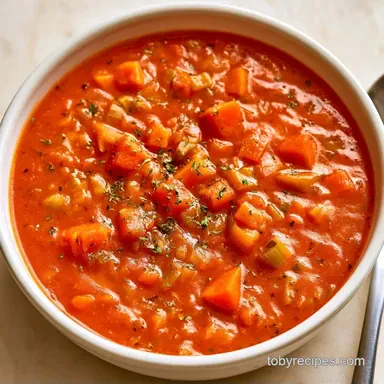
Hearty Homemade Tomato Vegetable Soup
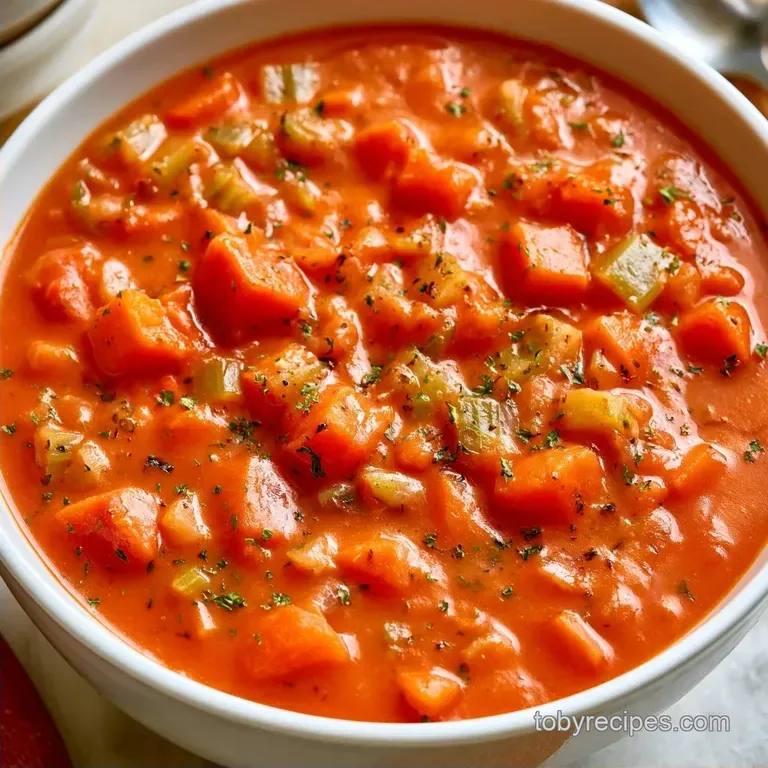
- Time: 15 min active + 40 min cook
- Flavor/Texture Hook: Hearty chunks with a rich, mahogany tinted broth
- Perfect for: Weeknight dinners or healthy meal prep
- Hearty Homemade Tomato Vegetable Soup
- Why This Works
- The Ingredient Roles
- The Ingredients List
- Essential Kitchen Tools
- The Cooking Process
- Fixing Common Problems
- Tasty Flavor Tweaks
- Adjusting Portion Sizes
- Debunking Soup Myths
- Storage And Waste
- Serving Your Soup
- Why You'll Love This Recipe
- Recipe FAQs
- 📝 Recipe Card
Hearty Homemade Tomato Vegetable Soup
The smell of sautéing onions and celery always hits me first. It's that classic base that makes a kitchen feel like a home. For a long time, I thought the only way to get a "rich" soup was to stir in a handful of butter or a splash of heavy cream. I was wrong.
Those additives just mask the flavor of the actual vegetables.
You don't need dairy to get a thick, satisfying mouthfeel. By focusing on the way we treat the tomatoes, we can create a broth that feels heavy and satisfying on its own. This Tomato Vegetable Soup relies on the natural starches from potatoes and the concentrated depth of fried tomato paste.
Expect a meal that's bright from the fresh Roma tomatoes but grounded by a savory, almost roasted depth. It's a one pot deal that fills the house with a warm, herbal aroma and leaves you feeling full without that heavy, cream induced food coma.
Why This Works
Concentrated Paste: Frying the tomato paste for 3 minutes creates deep, savory notes. This removes the raw metallic taste and adds a "meaty" quality to the Tomato Vegetable Soup.
Starch Balance: The gold potatoes release a bit of starch as they simmer. This naturally thickens the broth without needing a flour roux or cornstarch.
Layered Tomatoes: Using three types of tomatoes provides different dimensions. The fresh ones add brightness, the crushed ones add body, and the paste adds depth.
| Approach | Time | Texture | Best For |
|---|---|---|---|
| Fast Method | 30 mins | Thinner broth | Quick lunch |
| Classic Method | 55 mins | Hearty and rich | Family dinner |
The Ingredient Roles
Before we dive in, let's talk about what's actually happening in the pot. The onion, carrots, and celery form the "aromatic trinity." They provide the foundation of flavor that supports everything else.
The gold potatoes are a specific choice here. Unlike russets, which tend to fall apart and turn the soup into a mash, gold potatoes hold their shape while still softening. This keeps the Tomato Vegetable Soup chunky and satisfying.
Fresh baby spinach is added at the very last second. If you cook it too long, it turns a dull olive green and disappears. Folding it in at the end keeps the color vibrant and the nutrients intact.
The Ingredients List
Here is everything you'll need. I've included a few swaps if you're missing something in the pantry.
- 2 tbsp extra virgin olive oil
- 1 medium yellow onion, diced
- 3 cloves garlic, minced
- 2 medium carrots, diced
- 2 stalks celery, diced
- 2 tbsp tomato paste Why this? Concentrates flavor and thickens the broth
- 1 can (28 oz) crushed tomatoes
- 3 large ripe Roma tomatoes, diced Why this? Less watery than other varieties
- 1 tsp granulated sugar Why this? Balances the natural tomato acidity
- 2 medium gold potatoes, cubed small
- 1 cup fresh green beans, trimmed and cut
- 1 medium zucchini, diced
- 6 cups low sodium vegetable broth
- 1 tsp dried Italian seasoning
- 2 cups fresh baby spinach
- 1 tsp kosher salt
- ½ tsp cracked black pepper
| Original Ingredient | Substitute | Why It Works |
|---|---|---|
| Gold Potatoes | Parsnips | Similar texture. Note: Adds a sweeter, earthier flavor |
| Vegetable Broth | Water + Bouillon | Same base. Note: Watch the salt levels carefully |
| Baby Spinach | Kale | Heartier green. Note: Add 5 mins earlier as it takes longer to wilt |
| Roma Tomatoes | Canned Diced | Consistent acidity. Note: Lacks the fresh "pop" of garden tomatoes |
Essential Kitchen Tools
No high end equipment is required for this recipe. Most of the process happens in one large pot. A heavy bottomed Dutch oven is my top choice for ensuring even heat distribution, which stops the tomato paste from scorching in patches.
Since this dish involves a lot of prepping, a sharp chef's knife is highly recommended. While a food processor can quickly handle the carrots and celery, chopping them by hand ensures the textures remain distinct.
To finish, a durable wooden spoon works best. It makes it easy to clear a space in the pot for frying the tomato paste.
The Cooking Process
Time to get started. Follow these directions to ensure a consistent result.
Phase 1: Building the Base
Warm the olive oil in your pot over medium heat. Add the carrots, celery, and diced onion. Sauté for 6–8 minutes until the onions are translucent and carrots have softened. Add the minced garlic and sauté for 60 seconds.
You'll smell the aroma peak just before the garlic begins to brown.
Phase 2: Caramelizing the Tomatoes
Clear a spot in the center of the pot by pushing the vegetables to the sides. Add the tomato paste to the middle. Fry it for 2–3 minutes, stirring constantly, until it shifts from bright red to a deep mahogany color. This step adds essential depth.
Mix in the diced fresh Roma tomatoes and cook for 2 minutes until they soften.
Phase 3: The Slow Simmer
Stir in the crushed tomatoes and vegetable broth. Add the salt, pepper, sugar, and Italian seasoning. Mix in the green beans and cubed potatoes. Bring the liquid to a light boil, then immediately turn the heat to low.
Cover the pot and simmer for 20–25 minutes until the potatoes are fork tender.
Phase 4: The Final Fold
Add the diced zucchini and simmer for another 5 minutes. Since zucchini cooks quickly, this prevents it from becoming mushy. Finally, fold in the baby spinach and remove the pot from the heat immediately. The residual heat will wilt the leaves in about 30 seconds, keeping them vibrant.
Chef's Note: If you're feeding a crowd and prefer a different texture, try my Slow Cooker Vegetable Soup for a more integrated, melted down feel.
Fixing Common Problems
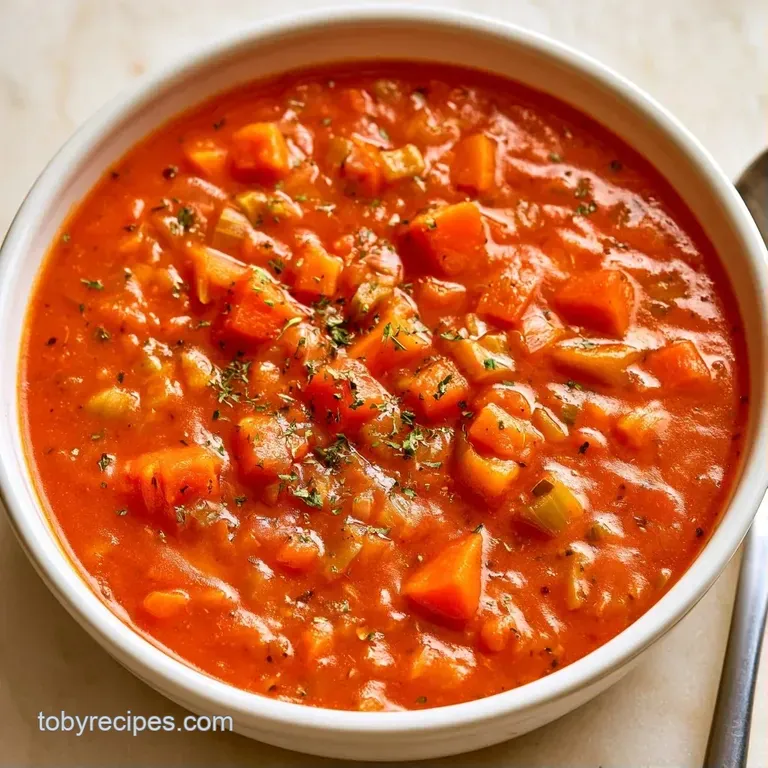
Sometimes things go sideways. Usually, it's just a matter of balance. If your Tomato Vegetable Soup tastes too "sharp" or acidic, don't reach for the salt. Salt can actually make acidity feel more aggressive. Instead, add a tiny pinch more sugar or a drizzle of maple syrup.
If you find the vegetables are turning into mush, you might be simmering on too high a heat. A "gentle boil" means only a few bubbles breaking the surface, not a rolling storm.
Fixing Acidic Tones
Too much tomato acid can overwhelm the palate. A pinch of sugar neutralizes the citric acid without making the dish taste like a dessert.
Preventing Mushy Veggies
Adding the zucchini too early is the biggest culprit. Keep it for the final 5 minutes to maintain a slight bite.
Adjusting Soup Thickness
If the broth feels too thin, mash a few of the cooked potatoes against the side of the pot with your spoon. This releases instant starch into the liquid.
| Problem | Fix |
|---|---|
| Soup tastes too tart | Add 1/2 tsp sugar or honey |
| Vegetables are too soft | Reduce simmer heat or add zucchini last |
| Broth is too watery | Mash 3-4 potato cubes into the liquid |
| Spinach is brown | Fold in after removing from heat |
Tasty Flavor Tweaks
Feel free to customize this dish based on the ingredients you have on hand. To add a subtle heat, stir in a dash of red pepper flakes while sautéing the garlic. This provides a gentle warmth that balances the natural sugar of the carrots without becoming overly spicy.
To turn this into a heartier meal, use it as a foundation for a Tomato Vegetable Soup with pasta. Small pasta like ditalini or orzo works best. I suggest cooking the pasta independently and placing it in the serving bowl first; this ensures the noodles don't soak up all the broth during storage.
If you crave a richer consistency without using dairy, blend a single cup of the completed soup and mix it back into the pot. This results in a velvety, luxurious texture. For an even quicker option, my Easy Tomato Soup is the perfect choice for those evenings when you're too tired to chop vegetables.
Quick Adjustment Guide:
- Extra tang? → fold in 1 tsp lemon zest
- Deeper savoriness? → add 1 tbsp soy sauce
- Earthier notes? → use baby spinach and chopped kale
Adjusting Portion Sizes
Scaling a Tomato Vegetable Soup is pretty straightforward, but there are a few rules to keep the flavor balanced.
Scaling Down (Half Batch): Use a smaller pot to prevent the broth from evaporating too quickly. Reduce the simmer time by about 20%, as smaller volumes of liquid reach temperature faster. If the recipe calls for one egg in a different version (though not this one), beat it and use half.
Scaling Up (Double or Triple): Don't just multiply the salt and spices by 3. Start with 1.5x the salt and pepper, then taste at the end. Liquids can be reduced by about 10% when doubling because you lose less moisture to evaporation in a larger pot.
Work in batches when sautéing the aromatics so you don't crowd the pan and steam the vegetables instead of browning them.
Debunking Soup Myths
There's a lot of bad advice out there about vegetable soups. Let's clear a few things up.
One common myth is that you must sear every vegetable to get flavor. While browning the tomato paste is vital, searing carrots and celery can actually make them too tough. A gentle sauté is all you need for the aromatics to release their sugars.
Another misconception is that adding sugar to Tomato Vegetable Soup is "cheating." It's actually a basic balancing act. Tomatoes are naturally acidic, and sugar acts as a counterbalance to make the flavor rounded. It's about balance, not sweetness.
Finally, some say you should add all vegetables at once. If you do that, your carrots will be mush by the time your potatoes are cooked. Staggering the ingredients is the only way to get a professional texture.
Storage And Waste
This Tomato Vegetable Soup often improves after a day in the fridge, allowing the taste to deepen. Store it in airtight glass containers for up to 5 days.
When freezing, leave some space at the top of the container since liquid expands as it freezes, which prevents the lid from popping off. It stays fresh for up to 3 months. Reheat the soup on the stove over medium low heat, stirring in a splash of broth or water if it has thickened.
To minimize waste, save your veggie scraps. Store onion skins, carrot ends, and celery tops in a freezer bag. Once full, simmer these for an hour in water to make homemade vegetable broth for your next pot. Zucchini ends can also go into your compost or stock pot.
Serving Your Soup
Presentation makes a huge difference. Instead of just a bowl of red liquid, add a swirl of high-quality olive oil on top. It adds a glossy look and a peppery finish.
A sprinkle of fresh parsley or basil adds a pop of green that contrasts with the deep red broth. I also love serving this with a grilled cheese sandwich made with sharp cheddar and sourdough. The crunch of the toast against the soft vegetables is a classic pairing for a reason.
If you're serving this for a dinner party, use a wide, shallow bowl. Place a small dollop of pesto or a spoonful of Greek yogurt in the center and swirl it with a toothpick for a restaurant style look.
Why You'll Love This Recipe
This recipe wins because it treats vegetables as the star, not just fillers. The process of frying the tomato paste is the real heavy lifter here. According to food science principles often discussed by Serious Eats, this caramelization creates a depth of flavor that you simply can't get from raw or canned tomatoes alone.
You get a meal that's packed with fiber and vitamins, but it doesn't taste like "health food." It tastes like comfort. The combination of the soft potatoes, the snap of the green beans, and the richness of the broth makes it a complete meal in one bowl.
It's reliable, uses basic tools, and delivers a result that feels far more complex than the effort required.
Recipe FAQs
Which vegetables work best in this tomato soup?
Carrots, celery, and onions create a savory base, while potatoes and green beans add heartiness. If you enjoyed these root vegetable textures, the same approach is used in our Potato Soup for 4 recipe.
What is the secret to getting a deep flavor in tomato soup?
Fry the tomato paste for 2 3 minutes until it reaches a mahogany color. This process removes the raw metallic taste and adds a concentrated sweetness.
Is it true that old fashioned vegetable soup requires tomato juice?
Actually, no. Using a combination of fresh Roma tomatoes and crushed tomatoes provides a richer, more authentic texture.
How to thicken the soup if it's too watery?
Simmer the liquid uncovered for a few extra minutes to reduce it. You can also mash some of the cooked gold potatoes directly in the pot to naturally thicken the broth.
When is the best time to eat this soup?
For the best results, enjoy this the next day. A night in the refrigerator allows the tastes to fully harmonize.
Tomato Vegetable Soup