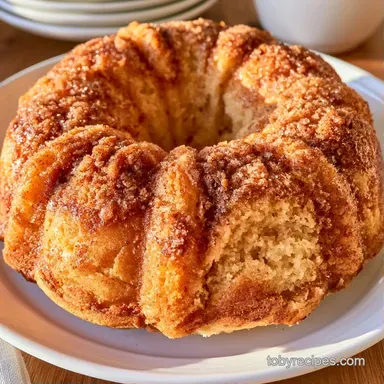
Espresso Bundt Coffee Cake with Sour Cream
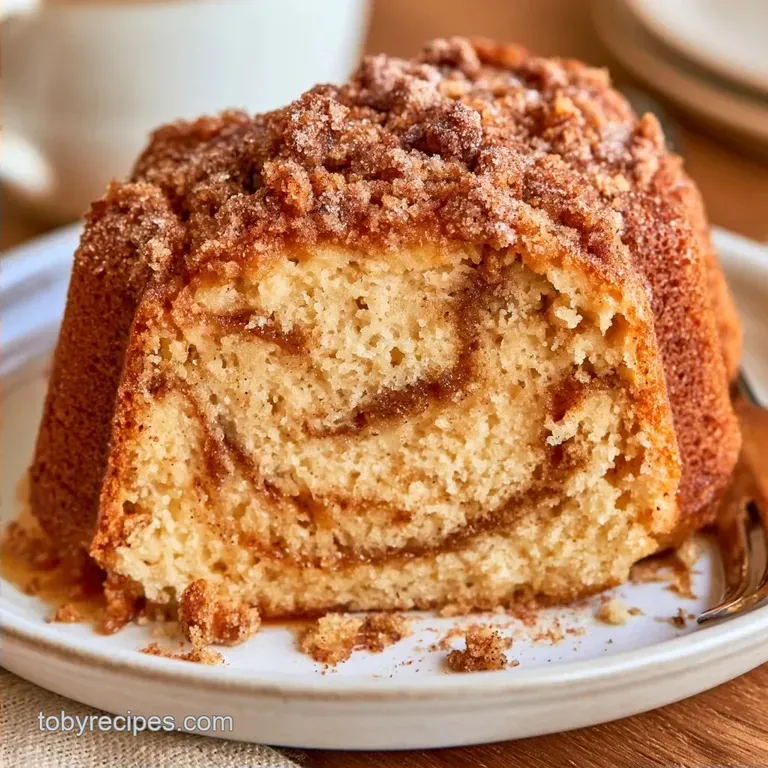
- Time: 15 min active + 60 min bake + 70 min cooling
- Flavor/Texture Hook: Deep mahogany crumb with a glossy, coffee infused glaze
- Perfect for: Slow Sunday mornings or coffee lover brunches
That sharp, slightly bitter scent of a moka pot bubbling on a stove is a core memory for anyone who grew up around Italian coffee culture. In those homes, coffee isn't just a drink, it's the center of the morning. The tradition of pairing a strong brew with something sweet isn't about luxury, it's about balance.
I used to think you needed a professional machine to get that deep, dark roast flavor into a cake. I tried using cold brew, but it just watered down the batter. The real trick is using a concentrated paste that hits the palate immediately.
This Espresso Bundt Coffee Cake delivers that intensity. It’s a heavy, moist cake that feels substantial but isn't overly sugary. You can expect a dense, fine crumb that holds up well to a generous drizzle of espresso glaze.
The Logic Behind It
- Sour Cream: This adds fat and acidity, which tenderizes the gluten and keeps the cake from becoming bread like.
- Espresso Bloom: Mixing the powder with hot water first releases the oils and intensifies the coffee flavor before it hits the oven.
- Room Temp Ingredients: Using warm eggs and butter prevents the batter from breaking, which keeps the cake airy.
If you like this style of cake but want something lighter, you might enjoy a Greek yogurt coffee cake which has a bit more tang.
| Method | Prep Time | Texture | Best For |
|---|---|---|---|
| Instant Paste | 15 mins | Dense & Moist | Strong coffee punch |
| Brewed Reduction | 45 mins | Lighter | Milder, rounded flavor |
The contrast between the bitter espresso and the sweet sugar is what makes this work. It avoids that one dimensional sweetness found in most store-bought cakes.
Recipe Specs
The Espresso Bundt Coffee Cake is designed for a standard 10-12 cup pan. Because of the sugar content and the fats from the sour cream, it stays fresh longer than a standard sponge.
You'll notice the batter is thicker than a typical cake mix. Don't overbeat it, or you'll end up with a tough cake. Stick to the "just combined" rule to keep the texture soft.
Necessary Ingredients
| Ingredient | Purpose | Alternative |
|---|---|---|
| All purpose flour | Builds the cake's structure | Cake flour for a softer crumb |
| Sour cream | Enhances tenderness and moisture | Full fat Greek yogurt |
| Espresso powder | Provides a deep coffee flavor | Finely crushed espresso beans |
| Unsalted butter | Adds flavor and rich texture | Solid coconut oil |
The Full List: 3 cups (375g) all purpose flour Why this? The protein level supports the weight of a Bundt cake. 2 tsp (10g) baking powder 1/2 tsp (3g) baking soda 1/2 tsp (3g) salt 1 cup (225g) unsalted butter, softened Why this? Necessary for
Achieving a proper creamed consistency. 2 cups (400g) granulated sugar 3 large eggs, room temperature 1 cup (240g) full fat sour cream Why this? Prevents the cake from drying out quickly. 2 tbsp (12g) instant espresso powder 2 tbsp (30ml) hot water 1 tsp (5ml) vanilla extract 1
Cup (120g) powdered sugar (for glaze) 1 tbsp (15ml) strong brewed espresso (for glaze) 1 tbsp (15g) melted unsalted butter (for glaze) 1/4 tsp (1g) espresso powder (for garnish)
For the glaze, a premium brew will improve the final result. If you don't have espresso on hand, a concentrated amount of instant coffee is a suitable alternative.
Required Baking Tools
You don't need fancy gear, but a few things are non negotiable. A 10-12 cup Bundt pan is the standard here. If you use a smaller pan, the cake might overflow, or the center won't cook through.
I recommend a stand mixer such as KitchenAid for the creaming stage, but a hand mixer works fine. You'll also need a fine mesh sifter for the flour to avoid clumps of baking soda.
A wire cooling rack is a must. Letting the cake cool in the pan for too long creates steam, which can make the bottom soggy.
Key Baking Steps
1. Preparing the Pan and Oven
Heat your oven to 350°F (175°C). Generously grease a Bundt pan with butter, then dust it with flour and shake off any excess to keep the crust free of clumps.
2. Creating the Espresso Bloom
In a small ramekin, whisk 2 tbsp espresso powder and 2 tbsp hot water into a thick, dark paste. Let it sit for a few minutes to cool so it doesn't affect the eggs.
3. Mixing the Batter
Beat the softened butter and granulated sugar until the mixture is pale and fluffy. Add the eggs one by one, beating thoroughly after each. Stir in the vanilla and the espresso paste.
4. Adding Dry Ingredients
Sift the flour, baking powder, baking soda, and salt into a separate bowl. Slowly incorporate these into the butter mixture, alternating with the sour cream until just combined.
5. Baking the Cake
Pour the batter into the pan and level the top with a spatula. Bake for 55-65 minutes until the edges pull away from the sides and a toothpick comes out clean.
6. Cooling Process
Allow the Espresso Bundt Coffee Cake to rest in the pan for 10 minutes. Gently invert the cake onto a wire rack to cool completely.
7. Finishing the Glaze
Whisk together the melted butter, brewed espresso, and powdered sugar. Once the cake has cooled, drizzle the glaze over the top and add a pinch of espresso powder for a professional finish.
Chef's Note: If the glaze is too thick to drizzle, add espresso one teaspoon at a time. If it's too runny, whisk in a bit more powdered sugar.
The Logic Behind It
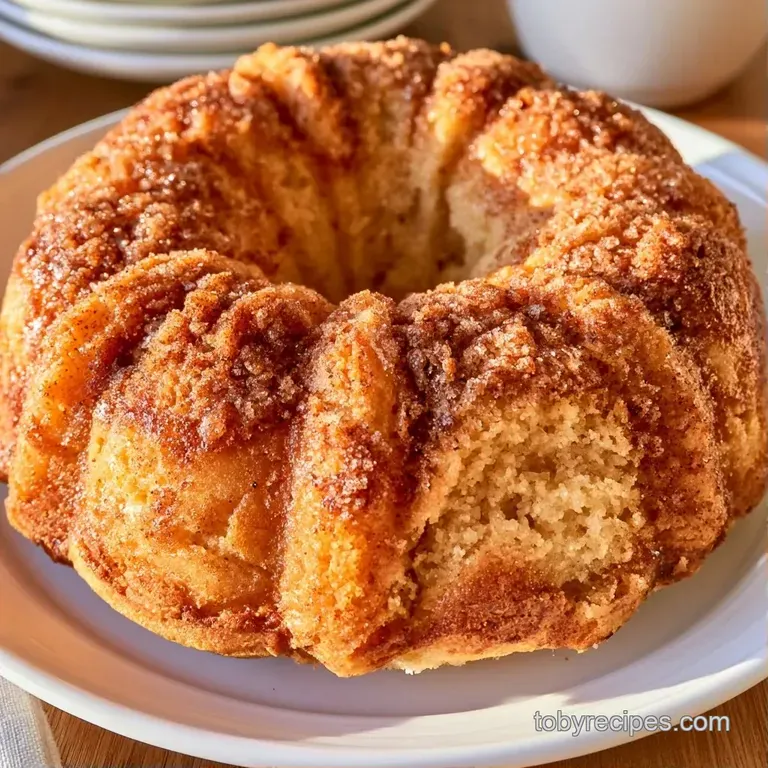
(Already covered in "The Logic Behind It" section above, but ensuring consistency with the structure).
Troubleshooting Guide
Cake Stuck to Pan
This usually happens if the greasing was uneven. Use a pastry brush to get into every groove of the Bundt pan. If it's stuck, wrap a hot, damp towel around the base of the pan for 5 minutes to loosen the fats.
Overbaked Top
If the cake has a deep crack or the edges taste burnt, it stayed in too long. Start checking the center with a toothpick at 55 minutes. The Espresso Bundt Coffee Cake is done the moment the toothpick has a few moist crumbs but no wet batter.
Grainy Glaze
This happens when the powdered sugar isn't fully dissolved or the butter is too cold. Whisk the glaze by hand for a full minute. If it's still grainy, pop it in the microwave for 5 seconds to melt the sugar crystals.
Adjusting Recipe Size
Scaling Down (Half Batch): Use a 6-cup pan and reduce the baking time by approximately 20%. For the eggs, whisk one in a bowl and measure out half by weight or volume.
Scaling Up (Double Batch): Prepare the batter in two separate batches to prevent the mixer from overflowing. Set your oven to 325°F (160°C); increase the baking time by 10-15 minutes to ensure the middle is fully cooked without burning the outer edges.
| Guest Count | Cakes Needed | Recommended Pan |
|---|---|---|
| 1-8 People | 1 Cake | 10 cup Bundt |
| 9-15 People | 1 Cake | 12 cup Bundt |
| 16-30 People | 2 Cakes | Two 10 cup Bundts |
Dietary Adaptations
Nutty Twist: Fold in 1/2 cup of toasted walnuts or pecans for extra crunch. If you love that combo, you can try a coffee and walnut cake for a different texture.
Dairy-free Swap: Use a vegan butter alternative and a cashew based sour cream. The fat content remains similar, so the crumb stays moist.
Less Sugar: You can reduce the granulated sugar to 1.5 cups. The coffee flavor will taste more bitter, which some people actually prefer.
Decision Shortcut: Extra crunch? → Add 1/2 cup toasted pecans. Milder coffee? → Use 1 tbsp espresso powder. More tang? → Swap sour cream for Greek yogurt.
Storage Guidelines
Store the Espresso Bundt Coffee Cake in a sealed container. It will stay fresh on the counter for 3 days. The addition of sour cream helps this cake retain its moisture better than most.
If kept in the fridge, it lasts up to 5 days. To soften the butter, let a slice sit out for 20 minutes or pop it in the microwave for 10 seconds.
To freeze, wrap single slices in parchment paper and foil; they'll remain good for 2 months. Thaw overnight in the refrigerator before serving.
Zero Waste Tip: Save your leftover coffee grounds instead of throwing them away. Once dry, they work as an excellent hand scrub after baking or can be added to your compost for a nitrogen boost.
Serving Suggestions
This cake is rich, so it pairs well with something fresh. I love serving it with a side of macerated strawberries or a dollop of unsweetened whipped cream.
If you're serving it for breakfast, a simple bowl of fresh raspberries provides a tart contrast to the deep coffee notes.
A glass of cold milk or a second cup of black coffee is the traditional way to go. The bitterness of the drink highlights the sweetness of the glaze.
Right then, that's how you get a coffee shop quality treat at home. This Espresso Bundt Coffee Cake is a reliable winner for any morning gathering. Just remember to grease that pan well, and you're golden. Let's crack on and get baking.
Recipe FAQs
What is a coffee cake pan?
It is typically a fluted Bundt pan or a square baking dish. If you enjoyed the flavor balance in this cake, see how we use a similar depth of taste in our dark chocolate cookies.
Can I use regular round cake pans rather than a bundt pan?
Yes, round pans work well for this batter. Check for doneness earlier than the 55-65 minute mark since they are shallower.
How to bake this in mini loaf pans?
Divide the batter equally among greased mini loaf pans. Reduce the bake time to about 20-30 minutes or until a toothpick comes out clean.
Is it true that only a Bundt pan works for coffee cake?
Not true. You can use various cake pans as long as you adjust the baking time.
Which Bundt pan is the best choice?
Choose a heavy gauge aluminum pan for the most even heat distribution. This prevents the edges from overcooking before the center is set.
Espresso Bundt Coffee Cake