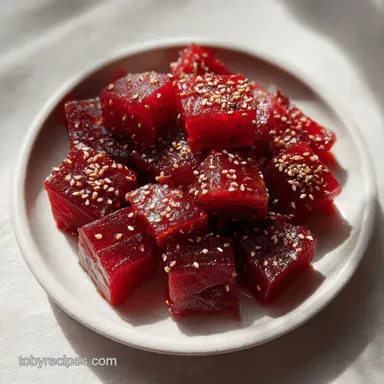
The Ultimate Homemade Tuna Poke Bowl
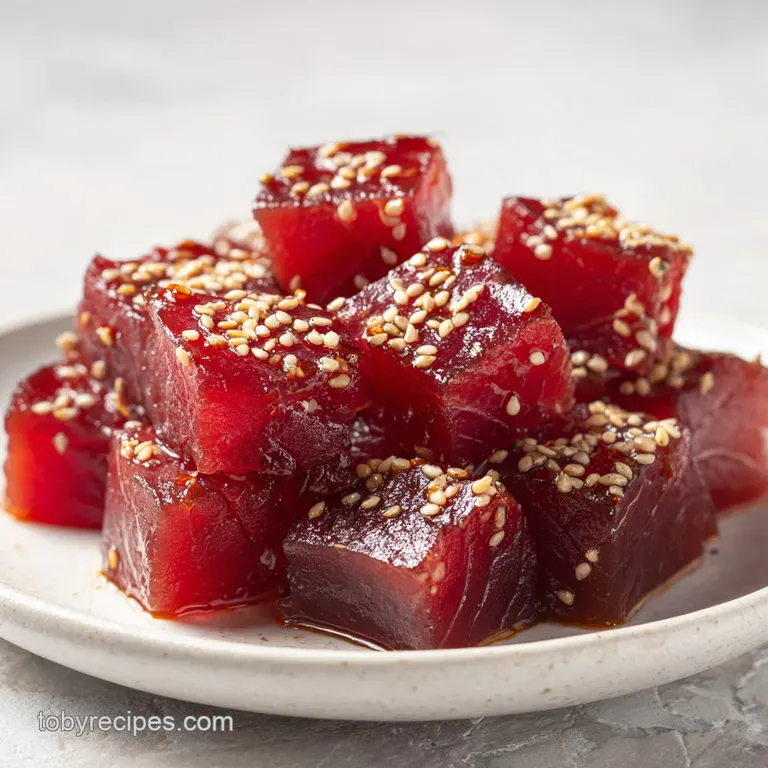
- Time: 20 min active + 15 min cook + 15 min chilling = Total 50 mins
- Flavor/Texture Hook: Velvety raw tuna paired with shatter crisp cucumbers and creamy avocado
- Perfect for: A fresh weeknight dinner or a healthy meal prep lunch
- The Ultimate Tuna Poke Bowl Recipe
- Why Most Recipes Fail
- Quick Recipe Specifications
- The Shopping List Breakdown
- Essential Kitchen Tools
- Step-by-Step Assembly Guide
- Fixing Common Bowl Issues
- Customizing Your Bowl
- Truths About Poke
- Storage and Waste Tips
- Ways to Serve This
- High in Sodium
- Recipe FAQs
- 📝 Recipe Card
The Ultimate Tuna Poke Bowl Recipe
The smell of toasted sesame oil hitting a bowl of cold fish is honestly one of my favorite scents in the kitchen. It's that immediate transition from "just ingredients" to something that smells like a high end spot in Honolulu.
I remember the first time I tried making this at home, I thought more marinade meant more flavor. I let my tuna sit in soy sauce and lime for three hours. By the time I ate it, the fish had turned a dull grey color and the texture was mushy. I'd basically made a salty, accidental ceviche.
That mistake taught me that the secret is in the timing. You want the flavors to cling to the outside of the fish, not penetrate so deep that they change the structure of the protein. Since then, I've focused on a quick, punchy marinade and temperature contrast.
When you hit that cold, velvety tuna against room temperature seasoned rice, it's a complete different experience.
Forget the idea that you need a professional sushi grade certification or a specialized knife to get this right. You just need the right source for your fish and a bit of patience with your rice.
This tuna poke bowl recipe is designed to be approachable, focusing on fresh textures and a balance of salty, sweet, and spicy that makes it feel like a treat every single time.
Why Most Recipes Fail
Most people treat a poke bowl like a salad, but it's actually more about the chemistry of the marinade and the temperature of the base. If your rice is piping hot, it will actually start to "cook" the raw tuna the second it touches the bowl, giving you a weird, lukewarm exterior on your fish.
That's why the cooling step is non negotiable.
I've also noticed a lot of people over marinate. Tuna is a lean protein compared to salmon, so it absorbs salt and acid much faster. If you leave it too long, you lose that clean, oceanic taste and end up with something that tastes like a soy sauce sponge. We're aiming for a light coating, not a deep cure.
Another common slip up is the rice texture. Using standard long grain rice without the vinegar seasoning leaves the bowl feeling flat. The rice needs that hit of acidity to cut through the richness of the avocado and the sesame oil. Without the seasoned base, the whole dish feels heavy instead of refreshing.
- Temperature Control
- Cooling rice rapidly prevents steaming the fish.
- Short Marination
- 15 minutes prevents the acid from breaking down the fish fibers.
- Surface Area
- Cubing the tuna to 1/4 inch maximizes marinade contact without over soaking.
- Acidity Balance
- Rice vinegar in the base offsets the heavy fats in the tuna and avocado.
| Method | Time | Texture | Best For |
|---|---|---|---|
| Raw Tuna | 0 min | Velvety | Traditionalists |
| Seared Tuna | 5 min | Firm/Crusty | Those wary of raw fish |
| Cured Tuna | 30 min | Dense | Intense flavor fans |
Quick Recipe Specifications
The timing for this dish is tighter than it looks because of the rice. You can't rush the cooling process, or you'll end up with a soggy bowl. I always suggest starting the rice first, as it's the only part that requires actual heat. The rest is just assembly and a short chill for the fish.
For those who prefer a different vibe, you might find my Mediterranean Tuna Salad No Mayo interesting, as it uses a similar "no cook" approach to tuna but with a completely different flavor profile. But for this specific bowl, we're sticking to the Japanese inspired palette.
- 1. Rice Temp
- Must be room temperature (approx 22°C) before adding fish.
- 2. Tuna Cube Size
- Exactly 1/4 inch (6mm) for consistent marination.
- 3. Chill Time
- Exactly 15 minutes in the fridge for the marinated tuna.
The Shopping List Breakdown
When you're picking up your tuna, look for "sashimi grade" or "sushi grade". This isn't a legal term, but it means the fish was frozen to a temperature that kills parasites. Don't take a risk here. I usually go to a local fishmonger and ask for the freshest Ahi they have.
For the produce, the mango is a key player. It provides a tropical sweetness that balances the salty soy sauce. If mangoes aren't in season, a ripe peach or even some diced pineapple works.
The English cucumber is preferred over regular cucumbers because the skin is thinner and the seeds are smaller, which means more "shatter" and less water in your bowl.
For the Tuna Poke Marinade
- 1 lb (450g) sashimi grade Ahi tuna, cubed Why this? High protein and clean flavor.
- 3 tbsp (45ml) soy sauce Why this? Provides the essential salt/umami base.
- 1 tbsp (15ml) toasted sesame oil Why this? Adds a nutty, aromatic depth.
- 1 tbsp (15ml) mirin Why this? Balances salt with a subtle sweetness.
- 1 tsp (5ml) freshly grated ginger Why this? Adds a zesty, sharp contrast.
- 1 tbsp (15g) toasted sesame seeds Why this? Adds a tiny bit of crunch.
For the Base & Toppings
- 2 cups (400g) uncooked sushi rice Why this? Sticky texture holds the toppings.
- 1/4 cup (60ml) rice vinegar Why this? Essential for the traditional sushi taste.
- 1 tsp (5g) sugar Why this? Softens the bite of the vinegar.
- 1 large (150g) avocado, sliced Why this? Adds a creamy, buttery mouthfeel.
- 1 cup (150g) fresh mango, diced Why this? Tropical sweetness.
- 1 cup (100g) shredded carrots Why this? Earthy crunch.
- 1/2 cup (50g) English cucumber, thinly sliced Why this? High water content for freshness.
- 2 scallions, thinly sliced Why this? Pungent, fresh finish.
For the Final Drizzle
- 2 tbsp (30ml) Sriracha Why this? Controlled heat.
- 2 tbsp (30ml) Kewpie mayo Why this? Richer and creamier than standard mayo.
| Original Ingredient | Substitute | Why It Works |
|---|---|---|
| Sushi Rice | Quinoa | Higher protein. Note: Lacks stickiness, changes texture |
| Ahi Tuna | Salmon | Higher fat content. Note: Richer taste, softer texture |
| Mango | Pineapple | Similar acidity/sweetness. Note: Stronger tang |
| Soy Sauce | Tamari | gluten-free option. Note: Slightly deeper, saltier flavor |
Essential Kitchen Tools
You don't need a professional sushi kit, but a very sharp knife is a must. If your knife is dull, you'll squash the tuna cubes instead of slicing through them, which ruins that velvety texture. A non stick pot for the rice is standard, but a baking sheet is my secret weapon for cooling the rice quickly.
I also recommend a glass bowl for the marinade. Soy sauce and sesame oil can cling to plastic, and the acidity of the mirin can sometimes react with lower quality plastics. Glass keeps the flavors clean.
Step-by-step Assembly Guide
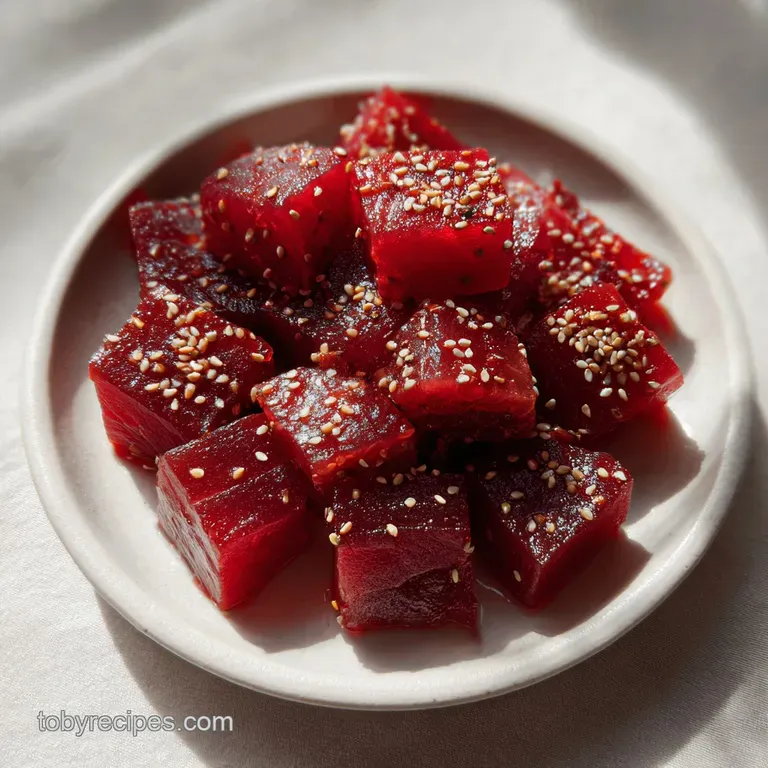
Right then, let's get into the flow. The goal here is to have everything ready so the tuna only spends a few minutes in the marinade before hitting the bowl.
- Rinse the sushi rice under cold water until the water runs clear. This removes the surface starch and prevents the rice from becoming a gummy mass. Cook according to your package instructions.
- While the rice is still warm, fold in the rice vinegar and sugar. Use a slicing motion with a wooden spoon to avoid mashing the grains. Spread the rice on a baking sheet to cool rapidly to room temperature.
- Take your chilled Ahi tuna and cut it into uniform 1/4 inch cubes. Use a sharp knife and a steady hand to keep them even so they marinate at the same rate.
- In a glass bowl, whisk together the soy sauce, sesame oil, mirin, and ginger. Fold in the tuna gently until every cube is coated.
- Place the marinated tuna in the fridge for exactly 15 minutes. This is the sweet spot where the flavors penetrate the surface without changing the fish's color.
- Divide the room temperature rice into four bowls. Press it down lightly to create a flat bed for your toppings.
- Arrange the diced mango, sliced cucumber, shredded carrots, and avocado in distinct sections on top of the rice. This keeps the flavors separate until you decide to mix them.
- Scoop the marinated tuna into the center of the bowl. Garnish with sliced scallions, toasted sesame seeds, and a drizzle of Sriracha mayo.
Chef's Note: For an extra layer of flavor, try lightly toasting your sesame seeds in a dry pan for 2 minutes before adding them. It releases the oils and makes the bowl smell incredible.
Fixing Common Bowl Issues
The most common problem I see is the "watery bowl" syndrome. This happens when the cucumbers or the tuna release too much liquid, turning your rice into a soup. To avoid this, slice your cucumbers and pat them dry with a paper towel before adding them to the bowl.
Another issue is the "Salty Shock", where the tuna tastes like a salt lick. This usually happens if the soy sauce isn't balanced with enough mirin or if the fish is marinated for too long. If you've over salted, add a squeeze of fresh lime or a bit more diced mango to the bowl to neutralize the sodium.
Why Your Tuna is Too Salty
If the tuna tastes overwhelmingly salty, it's likely because the marination time exceeded 30 minutes. The salt in the soy sauce begins to draw moisture out of the fish, concentrating the sodium on the surface.
| Problem | Root Cause | Solution |
|---|---|---|
| Mushy Rice | Too much water/overcooked | Use a 1:1.1 rice to water ratio |
| Grey Fish | Over marinated in acid | Limit marinade time to 15-20 mins |
| Bland Bowl | Under seasoned rice | Increase rice vinegar slightly |
Common Mistakes Checklist:
- ✓ Did you rinse the rice until the water was clear?
- ✓ Is the tuna actually sashimi grade?
- ✓ Did the rice cool to room temperature before assembly?
- ✓ Is the tuna marinating for no more than 20 minutes?
- ✓ Did you pat the cucumbers dry?
Customizing Your Bowl
If you're looking for a different approach, you can easily pivot this into a seared tuna poke bowl recipe. Instead of raw cubes, leave the tuna as a steak, sear it for 45 seconds per side in a screaming hot pan, and then slice it thin. This gives you a smoky, charred exterior while keeping the center raw.
For those avoiding grains, a tuna poke bowl recipe no rice is a great option. I usually swap the sushi rice for a base of shredded kale or spring mix. If you're going the low carb route, you might also like my Low Carb Taco Salad Bowl, which uses similar fresh toppings and a protein heavy base.
The Low Carb Swap
Swap the sushi rice for cauliflower rice. Sauté the cauliflower rice for 3-5 minutes with a pinch of salt and a teaspoon of rice vinegar to mimic the flavor of the seasoned sushi rice.
The Tropical Heat Variation
Add a pinch of red chili flakes to the tuna poke marinade and double the amount of mango. The contrast between the spicy ginger and the sugary mango creates a vibrant, high energy flavor profile.
Truths About Poke
There's a common belief that you have to use expensive "sushi rice" to get the right texture. The truth is, any short grain white rice will work as long as you add the rice vinegar and sugar. The stickiness comes from the starch in the short grain variety, not a secret processing method.
Another myth is that you need to freeze the fish yourself to make it safe. Home freezers don't even come close to the temperatures needed to kill parasites. Always buy fish that has been professionally flash frozen and labeled as sashimi grade to ensure safety.
Storage and Waste Tips
Poke bowls are best eaten immediately, but if you're meal prepping, keep the components separate. Store the seasoned rice in one container and the marinated tuna in another. If you mix them and let them sit in the fridge, the rice will absorb the marinade and the tuna will lose its texture.
The rice stays good in the fridge for about 3 days. The marinated tuna should be eaten within 24 hours for the best quality. To reheat the rice, add a splash of water and microwave for 30 seconds, but let it cool back down before adding the cold tuna.
To avoid waste, use your avocado pits to make a natural dye or compost them. If you have leftover shredded carrots and cucumber, toss them into a quick pickled salad with some of the remaining rice vinegar and a pinch of sugar. This prevents the vegetables from wilting and gives you a side dish for the next day.
Ways to Serve This
While the bowl is the classic way to go, you can turn this into a party appetizer by serving the marinated tuna on top of sliced cucumbers or crisp wonton chips. It's a great way to share the flavors without the commitment of a full rice bowl.
If you're serving this for a crowd, I recommend a "build your own" station. Put the seasoned rice in a large bowl and place the tuna, mango, avocado, and carrots in individual ramekins. Let everyone customize their own tuna poke bowl recipe based on their preferences.
It takes the pressure off the cook and ensures everyone gets exactly what they want.
For a drink pairing, something crisp and acidic works best. A cold glass of sparkling water with a slice of lime or a chilled glass of sake cuts through the richness of the sesame oil and avocado, cleansing the palate between bites.
High in Sodium
925 mg 925 mg of sodium per serving (40% 40% of daily value)
The American Heart Association recommends a daily limit of 2,300mg of sodium to reduce the risk of high blood pressure and heart disease.
Tips to Reduce Sodium
-
Swap Soy Sauce-30%
Replace standard soy sauce with low-sodium soy sauce or coconut aminos to significantly cut the primary sodium source.
-
Modify Spicy Mayo-20%
Use a low-sodium Sriracha or substitute a portion of the sauce with fresh chili flakes and a squeeze of lime for heat.
-
Use Unseasoned Vinegar-10%
Ensure you are using unseasoned rice vinegar, as 'seasoned' varieties contain added salt and sugar.
-
Substitute Mirin-5%
Replace mirin with a mixture of water and a touch of honey to keep the sweetness while lowering sodium.
-
Enhance Fresh Aromatics
Double the amount of freshly grated ginger and sliced scallions to add punchy flavor without adding any salt.
Recipe FAQs
What goes on a tuna poke bowl?
Sashimi grade Ahi tuna and a variety of fresh toppings. Arrange sliced avocado, diced mango, shredded carrots, and English cucumber over a base of seasoned sushi rice.
How to season sushi rice for a poke bowl?
Fold rice vinegar and sugar into the rice while it is still warm. Spread the mixture on a baking sheet to cool it rapidly to room temperature before assembling.
Are poke bowls good for high cholesterol?
Yes, they are a heart healthy choice. Ahi tuna and avocado provide beneficial omega-3 fatty acids, making them a nutritious alternative to processed meals.
What do you marinate tuna in for a poke bowl?
A combination of soy sauce, sesame oil, mirin, and freshly grated ginger. Whisk these together in a glass bowl and gently fold in the tuna cubes to coat them.
How to keep sushi rice from becoming gummy?
Rinse the uncooked rice until the water runs clear. This essential step removes excess surface starch that otherwise causes the grains to clump together.
Is it true that tuna must be marinated for several hours?
No, this is a common misconception. Marinate the fish for exactly 15 minutes to ensure deep flavor without denaturing the raw protein.
How to store poke bowl leftovers?
Keep the rice and marinated tuna in separate containers. This prevents the rice from absorbing the marinade; if you enjoy these fresh preps, try my zesty pasta salad as well.
Homemade Tuna Poke Bowl