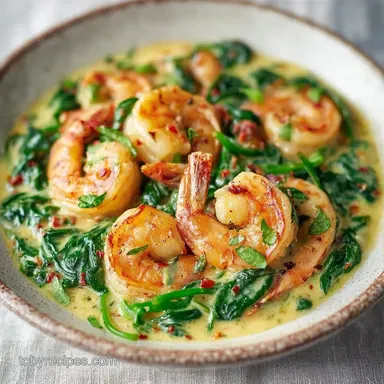
Shrimp Spinach Cream Sauce: Rich and Zesty
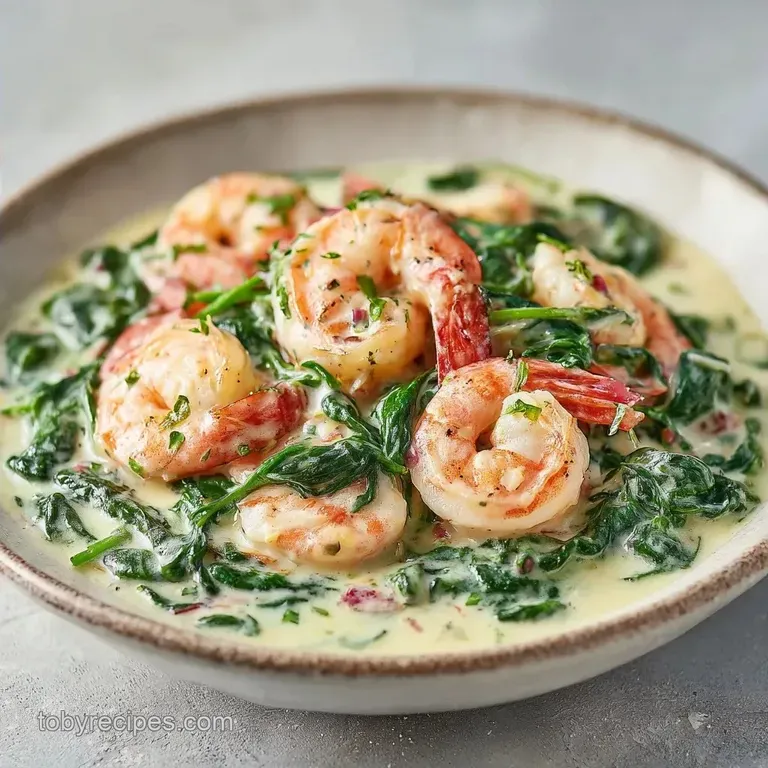
- Time: 5 min active + 20 min cooking
- Flavor/Texture Hook: Velvety, rich sauce with a zesty finish
- Perfect for: Impressive date nights or a fancy weeknight dinner
Making Shrimp Spinach Cream Sauce
The smell of garlic hitting melted butter is probably the best scent in any kitchen. It's that immediate signal that something good is happening. I first tried a version of this in a small coastal town where the locals didn't use recipes, just "feels." They treated the cream like a canvas and the shrimp like the star, adding just enough acid to keep the whole thing from feeling too heavy.
For me, this dish became a staple because it feels like a restaurant meal but takes less time than ordering takeout. There's something about the way the baby spinach wilts into the white sauce, turning it a vibrant, marbled green, that just looks right on the plate.
It's a meal that feels expensive but mostly uses a few basic staples from the fridge.
You can expect a sauce that clings to whatever you serve it with, whether that's a pile of linguine or a piece of crusty sourdough. The Shrimp Spinach Cream Sauce isn't just about the richness, though.
The sun dried tomatoes add these little bursts of concentrated sweetness that stop the cream from tasting one dimensional. Trust me, don't skip the lemon juice at the end, or you'll miss the spark that brings everything together.
The Secret To Silky Texture
I used to think the trick to a thick sauce was just boiling it longer, but that's how you end up with a broken, oily mess. The real secret is how the fats and proteins interact.
The Fat Bond: Butter and heavy cream create a stable base that holds the Parmesan cheese in suspension, preventing it from clumping into a rubbery ball.
The Acid Balance: Adding white wine and lemon juice changes the pH of the sauce, which helps brighten the flavor and prevents the cream from tasting too "flat" or cloying.
The Wilt Timing: Adding spinach at the very end ensures the leaves stay bright green rather than turning a dull, brownish olive color from overcooking.
The Fond Factor: Searing the shrimp first leaves browned bits in the pan, which the wine then lifts back into the sauce for a deeper, more savory taste.
| Method | Cook Time | Texture | Best For |
|---|---|---|---|
| Stovetop | 20 mins | Velvety & Glossy | Fresh dinner, pasta |
| Oven Baked | 35 mins | Thicker & Set | Casseroles, meal prep |
Ingredient Deep Dive
When you're working with a few main components, the quality of each one actually matters. You can't hide a bad shrimp in a good sauce.
| Ingredient | Science Role | Pro Secret |
|---|---|---|
| Heavy Cream | Thickening Agent | Use room temp cream to avoid sauce splitting |
| Parmesan | Salt & Binding | Grate your own; pre shredded has cornstarch |
| Lemon Juice | Flavor Brightener | Squeeze fresh; bottled juice tastes metallic |
| Sun dried Tomatoes | Umami Boost | Use the ones packed in oil for extra richness |
Tools For This Meal
You don't need a professional kitchen for this. I usually just grab a few basics and get to work. A 12 inch deep skillet is the way to go because it gives the shrimp room to sear without crowding. If you crowd the pan, the shrimp will steam in their own juices and turn grey instead of getting those nice brown edges.
I always keep a whisk nearby. While a spoon works, a whisk is much better for getting the Parmesan to melt smoothly into the cream without leaving any little lumps. For the shrimp, a pair of tongs is a must. It lets you flip them quickly without tearing the delicate meat.
Finally,, a fine grater for the cheese makes a huge difference. The smaller the shreds, the faster they melt. I've found that when I use larger chunks, I have to raise the heat to melt them, which often leads to the sauce separating.
Step by step Guide
Right then, let's get into the actual cooking. Keep your heat steady and don't rush the sear.
- Pat the shrimp dry with a paper towel and season with 1/2 tsp salt and 1/4 tsp black pepper. Note: Wet shrimp won't brown; they'll just boil.
- Heat 1 tbsp olive oil in a 12 inch deep skillet over medium high heat. Sear the shrimp for 1–2 minutes per side until they just turn pink, then remove immediately to a plate.
- Lower the heat to medium and melt 2 tbsp unsalted butter. Add 4 cloves minced garlic and 1/4 cup chopped sun dried tomatoes, sautéing for about 2 minutes.
- Pour in 2 tbsp dry white wine, scraping the bottom of the pan with a wooden spoon to release the browned bits.
- Whisk in 1 cup heavy cream and bring to a gentle simmer. Slowly stir in 1/2 cup grated Parmesan cheese, whisking constantly until the sauce is smooth and thickens.
- Fold in 3 cups fresh baby spinach and stir for 1–2 minutes until just wilted.
- Return the seared shrimp and their juices to the pan. Stir in 1 tsp fresh lemon juice and 1/4 tsp red pepper flakes, heating through for 60 seconds before removing from heat.
Chef's Note: If your sauce looks too thick after adding the cheese, splash in a tablespoon of water or pasta water. It loosens things up without ruining the flavor.
Stopping Common Kitchen Mistakes
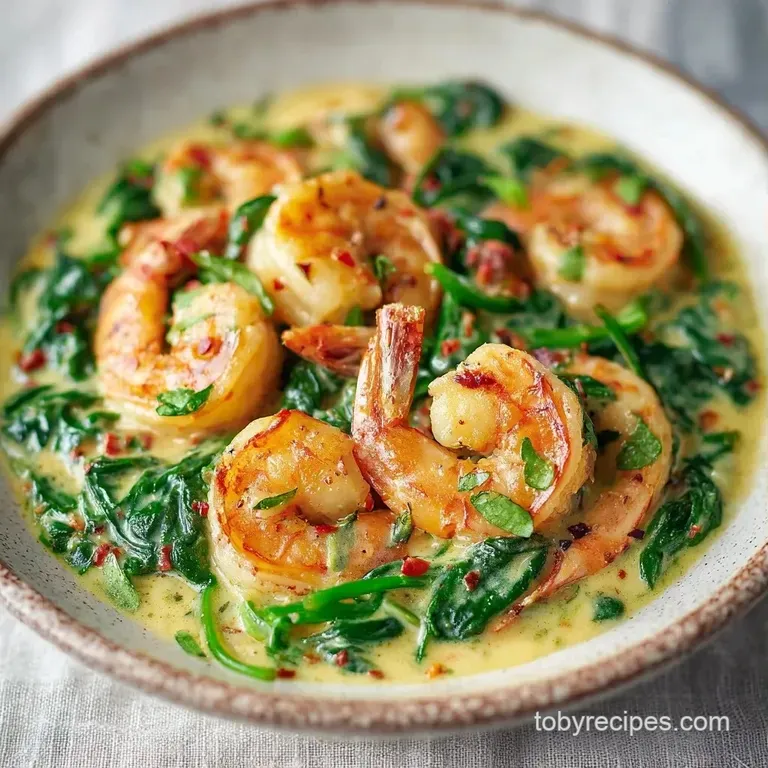
The biggest headache with this recipe is usually the shrimp. According to guides on Serious Eats, overcooking shrimp is the fastest way to ruin a dish, turning a tender bite into something that feels like a rubber band. If you see the shrimp curl into a tight "O" shape, they've gone too far. You want a loose "C" shape.
Troubleshooting Common Issues
| Issue | Solution |
|---|---|
| Why Your Sauce Separates | This usually happens if the heat is too high when you add the cheese or if the cream is ice cold. The fat breaks away from the liquid, leaving you with an oily film on top. |
| Why Your Spinach Is Slimy | If you add the spinach too early, it overcooks and loses its structure. It should be just wilted, retaining a bit of its body. Only stir it in for a minute or two right before the shrimp go back in. |
| Why Your Shrimp Are Grey | This is a result of crowding the pan. When too many shrimp hit the oil at once, the temperature drops and they release water. Use a large skillet or sear them in two batches. |
- ✓ Pat shrimp completely dry before seasoning.
- ✓ Use a heavy bottomed pan to distribute heat evenly.
- ✓ Whisk the cheese in slowly, not all at once.
- ✓ Remove shrimp from the pan before starting the sauce.
- ✓ Use baby spinach for a faster, more tender wilt.
Fun Flavor Variations
If you want to switch things up, this base is incredibly flexible. I often try different greens depending on what's in the crisper. Kale works, but you'll need to sauté it for a few minutes longer than the spinach.
Swiss chard is another great option that adds a slightly earthier tone to the Shrimp Spinach Cream Sauce.
For a bit more kick, you can swap the white wine for a splash of dry sherry. It adds a nuttier depth that pairs well with the Parmesan. If you're feeling fancy, a pinch of nutmeg in the cream sauce does wonders for the spinach, bringing back a classic French vibe.
If you want something heartier, you can turn this into a full meal by adding a protein shift. For example, if you're craving something with a different spice profile, you might like my Cajun shrimp rice casserole, which uses similar ingredients but with a bold, spicy twist.
For a Zesty Twist
Add a teaspoon of lemon zest along with the juice. The zest provides the aromatic oils of the lemon without adding more liquid, which keeps the sauce thick and velvety.
Making it Low Carb
This recipe is naturally low carb. To keep it that way, serve it over zoodles (zucchini noodles) or steamed cauliflower. The richness of the cream makes you forget you're skipping the pasta.
Lightening the Sauce
If heavy cream feels too intense, you can use half and half. Note: it won't be as thick, so you may need to simmer it for an extra 3-5 minutes to reach the desired consistency.
Storage And Reheating
Cream sauces are notoriously finicky when it comes to leftovers. If you put this in the fridge, the sauce will thicken significantly and might look a bit separated when you first open the container. That's normal.
Store the dish in an airtight container for up to 3 days in the fridge. I don't recommend freezing this particular recipe. The cream and Parmesan tend to break down during the freezing and thawing process, leaving you with a grainy texture that just isn't the same.
When reheating, do it slowly on the stovetop over low heat. Add a splash of milk or water to help the sauce emulsify again. If you microwave it on high, the shrimp will overcook and become rubbery.
In terms of meal prep, this is a bit different from something like a Rotisserie chicken salad, which stays fresh and crisp. This sauce is best enjoyed fresh, but if you must prep it, cook the sauce and shrimp separately and combine them right before reheating.
For zero waste, don't throw away the shrimp shells if you bought them head on. Toss them in a pot with a little water and a carrot to make a quick shrimp stock. You can use that stock instead of white wine in this recipe for an even more intense seafood flavor.
Serving Your Meal
The way you serve this changes the whole vibe of the dinner. For a classic feel, I go with linguine or fettuccine. The wide noodles provide more surface area for the Shrimp Spinach Cream Sauce to cling to.
If you're going for a lower carb option, a bed of sautéed cauliflower or even just a side of steamed asparagus works beautifully. The brightness of the asparagus cuts through the richness of the cream.
Don't forget the bread. A toasted baguette rubbed with a raw garlic clove is the best way to scoop up every last drop of sauce from the plate. I usually brush the bread with a bit of olive oil and toast it in the oven at 350°F (180°C) for about 5 minutes.
Finally, top the dish with a bit more fresh cracked black pepper and a sprinkle of parsley. It adds a pop of color and a fresh hit of flavor that wakes up the palate.
Decision Shortcut: If you want it richer, add an extra tablespoon of butter at the end. If you want it tangier, double the lemon juice and add zest. If you want it heartier, serve over whole grain pasta or quinoa.
The Final Touch
A light dusting of red pepper flakes right before serving gives a subtle heat that doesn't overpower the shrimp but keeps the flavors balanced. It's the difference between a dish that tastes "good" and one that tastes balanced.
Right then, you're all set. Just remember to keep an eye on those shrimp and don't let the sauce boil over. Enjoy your meal!
High in Sodium
840 mg 840 mg of sodium per serving (37% 37% of daily value)
The American Heart Association recommends a daily sodium limit of 2,300 mg for most adults to maintain heart health.
Tips to Reduce Sodium
-
Eliminate Added Salt-25%
Remove the 1/2 tsp of salt completely. The Parmesan cheese and sun-dried tomatoes already provide a substantial amount of saltiness.
-
Swap Sun-Dried Tomatoes-20%
Replace chopped sun-dried tomatoes with fresh cherry tomatoes or rinse canned sun-dried tomatoes thoroughly to remove excess salt from the brine.
-
Reduce Parmesan Cheese-15%
Decrease the grated Parmesan cheese to 1/4 cup or use a low-sodium alternative to lower the overall salt contribution.
-
Boost Natural Flavors
Add more fresh lemon juice, red pepper flakes, or fresh parsley to enhance the dish's brightness and heat without adding sodium.
Recipe FAQs
How do I prevent the cream sauce from curdling?
Keep the heat at medium and whisk the Parmesan cheese in slowly. Adding cheese to boiling liquid or using ice-cold cream can cause the fat to separate into an oily film.
Is this an easy shrimp and spinach cream sauce for beginners?
Yes, it is very approachable. The 25-minute total time and single skillet method make it straightforward for any home cook.
What is the best way to cook shrimp for this sauce?
Sear the shrimp separately first. Removing them from the pan once they turn pink prevents overcooking while you simmer the sauce.
Is it true that this is a healthy shrimp and spinach cream sauce?
No, this is a common misconception. While the shrimp and spinach provide nutrients, the heavy cream and butter make this a rich, indulgent dish.
Can I serve this shrimp and spinach recipe with pasta?
Yes, it pairs perfectly with pasta. This combination is always a crowd pleaser, much like our sugar cookies are for dessert.
How do I make a creamy spinach shrimp pasta?
Boil your preferred pasta separately and fold it into the sauce. Stir the noodles in after the cheese has melted but before you return the seared shrimp to the pan.
How should I store and reheat the leftovers?
Store in an airtight container in the fridge for up to 3 days. Reheat slowly on the stovetop over low heat to ensure the sauce remains smooth.
Shrimp Spinach Cream Sauce