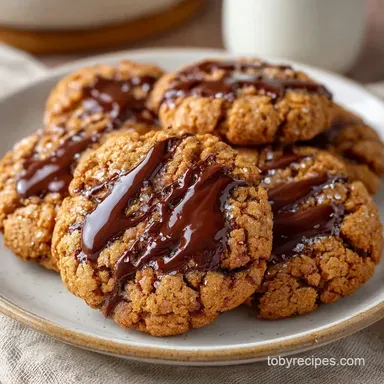
Chewy Chocolate Chip Cookies: Soft and Velvety
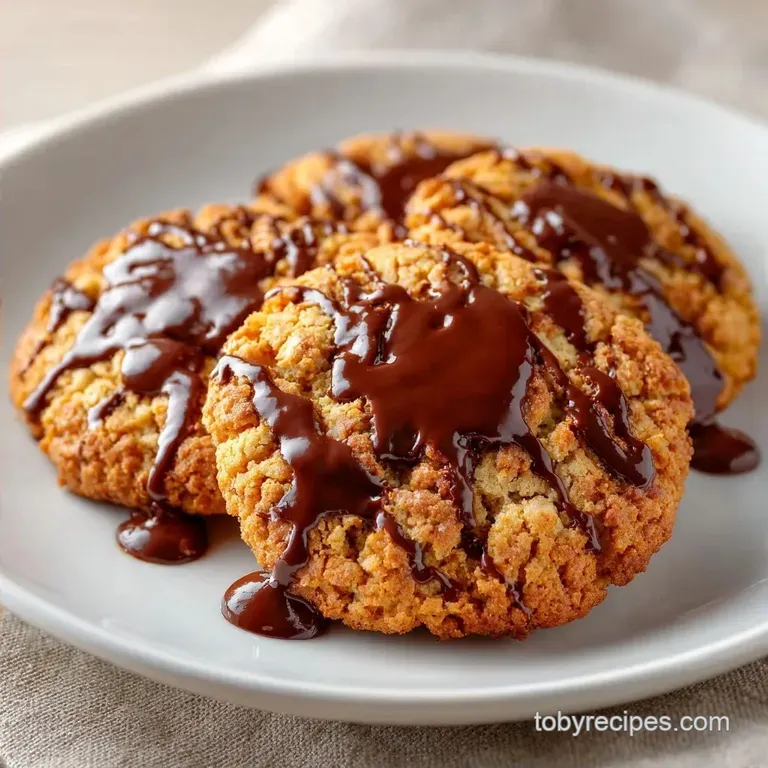
- Time: 10 min active + 0 min chilling
- Flavor/Texture Hook: Velvety centers with shatter crisp edges
- Perfect for: Late night cravings or easy school treats
Chewy Chocolate Chip Cookies: The Real Deal
The smell of toasted butter and melting chocolate is probably the best scent in a kitchen. I remember the first time I tried to make these for a friend's birthday. I followed a traditional recipe that called for "creaming" the butter and sugar for five minutes.
My arms were tired, and the cookies came out tasting like little puffs of cake. They were fine, but they weren't that specific, bendy, fudge like texture you find in the best bakeries.
That is when I realized the biggest myth in baking: you don't actually need that airy, whipped structure for a great cookie. In fact, air is the enemy of the chew. I started experimenting with melted butter, and the result was a complete shift.
The cookies stopped puffing up and started spreading just enough to create those gorgeous, lacy edges while keeping the center almost like a brownie.
If you've ever had a cookie that felt too dry or crumbled the second you bit into it, this is the fix. We are focusing on moisture and density. These Chewy Chocolate Chip Cookies don't require a stand mixer or a two hour wait in the fridge. You just mix, scoop, and bake.
Trust me, once you see how the melted butter creates that glossy, velvety dough, you'll never go back to the old way.
The Secrets To Texture
Most people think the "secret" is a fancy ingredient, but it is actually about how the ingredients interact. When we skip the creaming process, we aren't incorporating air. This means the cookie doesn't rise as much, leading to a denser, more concentrated flavor.
Melted Butter: This prevents the cookies from becoming cakey. It creates a fudgier consistency because the fat is fully liquid when it hits the sugar.
Brown Sugar Weight: We use more brown sugar than white. Brown sugar contains molasses, which is hygroscopic, meaning it grabs onto moisture and keeps the cookie soft for days.
The Under Bake: The most common mistake is waiting for the center to look "done." If the center isn't slightly pale and soft when they leave the oven, they will be hard by the time they cool.
Carryover Heat: The pan stays hot for several minutes after you pull the cookies out. This finishes the cooking process gently, setting the structure without drying out the edges.
| Method | Prep Time | Texture | Best For |
|---|---|---|---|
| Melted Butter | 10 minutes | Fudgy and Dense | Quick cravings |
| Creamed Butter | 20 minutes | Light and Airy | Tea cakes |
| Browned Butter | 25 minutes | Nutty and Rich | Special occasions |
The Basic Setup
Before we get into the dough, let's look at what is actually happening inside the bowl. Understanding the role of each part helps you avoid the "why did these go flat?" panic.
| Ingredient | Science Role | Pro Secret |
|---|---|---|
| Melted Butter | Structure | Use unsalted so you can control the sea salt level |
| Brown Sugar | Moisture | Pack it tightly in the cup for maximum chew |
| Baking Soda | Lift | Reacts with brown sugar to create a slight rise |
| All Purpose Flour | Stability | Spoon and level it so you don't add too much |
Right then, let's look at the list. I've used imperial measurements, but I included grams because that's the only way to be sure you aren't accidentally adding an extra half cup of flour.
- ¾ cup (170g) unsalted butter, melted and slightly cooled Why this? Creates the dense, chewy base
- ¾ cup (150g) packed brown sugar Why this? Molasses adds moisture and depth
- ½ cup (100g) granulated sugar Why this? Helps the edges crisp up
- 2 large eggs, room temperature Why this? Binds everything without breaking the emulsion
- 2 tsp (10ml) pure vanilla extract Why this? Standard flavor boost
- 2 ¼ cups (280g) all purpose flour Why this? Balanced protein for structure
- 1 tsp (5g) baking soda Why this? Gives a bit of lift and browning
- ½ tsp (3g) sea salt Why this? Cuts through the sugar
- 2 cups (340g) semi sweet chocolate chips or chunks Why this? High cocoa content prevents too much sweetness
Quick Swaps
| Original Ingredient | Substitute | Why It Works |
|---|---|---|
| Brown Sugar | Coconut Sugar | Similar moisture. Note: Slightly earthier taste |
| All Purpose Flour | Bread Flour | Higher protein. Note: Makes them even chewier |
| Semi Sweet Chips | Dark Chocolate | Less sugar. Note: Richer, more bitter profile |
The Essential Tool Kit
You don't need a professional kitchen for this. In fact, a few simple tools make the process faster.
- Large Mixing Bowl: Make sure it's big enough that you aren't spilling flour over the sides.
- Whisk: For getting the sugar and butter smooth.
- Rubber Spatula: This is non negotiable. You need to fold the flour in gently, not beat it.
- Baking Sheets: Heavy duty ones are better because they don't warp in the heat.
- Parchment Paper: Don't grease the pan with butter; the cookies will spread too much. Use parchment or a silicone mat.
- Cookie Scoop: A 1.5 tablespoon scoop keeps them uniform so they all finish baking at the same time.
Step by step Process
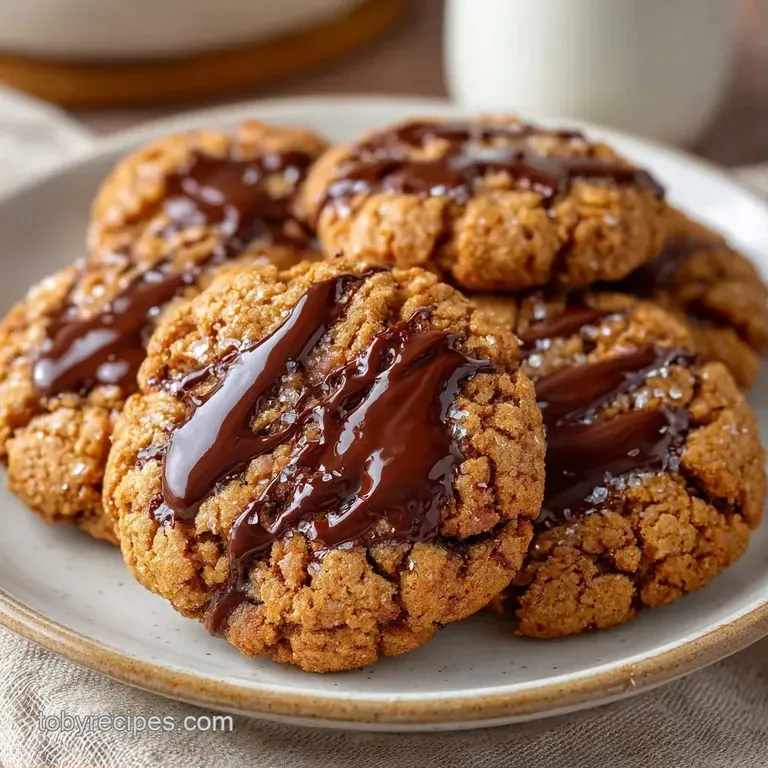
Let's crack on. Follow these steps exactly, and pay attention to the visual cues. That's more important than the timer.
Phase 1: Building the Base
- Whisk butter and sugars. Combine the melted butter, brown sugar, and granulated sugar in your bowl. Whisk until the mixture is smooth and no lumps of brown sugar remain. It should look like thick, wet sand.
- Incorporate eggs. Add the eggs one at a time. Whisk vigorously after each egg until the batter looks glossy and velvety. Note: Adding eggs too fast can cause the butter to separate.
- Stir in vanilla. Fold in the vanilla extract. The batter should be a pale gold color and smell strongly of vanilla and sugar.
Phase 2: Incorporating Dry Ingredients
- Sift dry components. Sift in the flour, baking soda, and salt. Sifting is a bit of a pain, but it prevents those annoying clumps of baking soda in the finished cookie.
- Fold the flour. Use your spatula to fold the ingredients together. Stop the second you don't see any more white streaks of flour. Note: Over mixing develops gluten, which turns a chewy cookie into a tough, bready one.
- Add chocolate. Gently fold in the chocolate chips. Make sure they are evenly distributed so every bite has a melted pocket of chocolate.
Phase 3: The Precision Bake
- Scoop and space. Scoop rounded tablespoons of dough onto your parchment lined sheets. Space them at least 2 inches apart. They will spread, and you don't want a giant "mega cookie" sheet.
- Bake at 350°F (175°C). Place them in the center rack. Bake for 9-11 minutes. Remove them the moment the edges turn a deep golden brown, even if the centers still look slightly underdone and soft.
- The pan rest. Let the cookies sit on the hot baking sheet for 5 minutes. This is the most important part. They will firm up as they cool, but stay soft inside.
Chef's Note: For a professional look, take a circular glass or a cookie cutter slightly larger than the cookie and gently scoot it around the edges of the hot cookie to round them into a perfect circle.
Fixing Common Cookie Fails
Even the best of us have batches that go south. Usually, it comes down to temperature or measurement. If you want more precision in your flour measurement, King Arthur Baking has a great guide on the "spoon and level" method.
Troubleshooting Common Issues
| Issue | Solution |
|---|---|
| Why Your Cookies Go Flat | This usually happens if the butter was too hot when you added the sugar or if you used too much sugar. If the butter is boiling, it breaks the structure. |
| Why Your Cookies are Dry | Over baking is the culprit here. If you wait until the middle looks set, you've gone too far. The carryover heat from the pan does the rest of the work. |
| Why Your Cookies are Cakey | This happens when you use too much flour or you over mix the dough. If you beat the dough with a mixer for minutes on end, you're adding air and gluten, which creates a cake texture. |
Common Mistakes Checklist:
- ✓ Did you pack the brown sugar firmly?
- ✓ Did you stop mixing as soon as the flour vanished?
- ✓ Are your eggs at room temperature?
- ✓ Did you let them rest on the pan for 5 minutes?
- ✓ Did you avoid over baking the centers?
Tasty Twists And Swaps
Once you have the base down, you can play around. If you find these too sweet, you might enjoy Salted Chocolate Chip Cookies, which use a heavier hand with the sea salt to balance the sugar.
The Nutty Addition: Add ½ cup of toasted walnuts or pecans. Toast them in a dry pan for 3 minutes before folding them in with the chocolate.
The Espresso Trick: Add 1 teaspoon of instant espresso powder to the dry ingredients. You won't taste coffee, but it makes the chocolate taste deeper and more intense.
The Double Chocolate: Replace ¼ cup of the all purpose flour with high-quality cocoa powder. This gives you a brownie like base that is incredibly rich.
Different Fats: If you want something even more decadent, try Chocolate Chunk Cookies which use browned butter for a toasted, caramel like flavor.
Freshness And Storage Tips
These Chewy Chocolate Chip Cookies stay soft for a surprisingly long time if you store them correctly. The key is an airtight environment.
Room Temperature: Store in a glass jar or airtight container for up to 5 days. To keep them extra soft, put a small piece of white bread in the container; the cookies will absorb the moisture from the bread.
Freezing: You can freeze the baked cookies or the raw dough. I prefer freezing the raw dough balls. Place them on a tray, freeze until hard, then toss them into a freezer bag. Bake from frozen, adding 2 minutes to the cook time.
Reheating: To get that "just out of the oven" feel, pop a cookie in the microwave for 8-10 seconds. It melts the chocolate again and softens the butter.
- Zero Waste Tips
- - Brown Sugar Scrap
- If you have a hard clump of brown sugar, microwave it with a damp paper towel for 10 seconds to soften it.
- - Butter Wrapper
- Use the buttery wrapper to grease a small ramekin if you're making a single serve dessert.
- - Leftover Flour
- If you have a small amount of flour left, use it to dust your workspace when rolling out other doughs.
Best Ways To Serve
The contrast is what makes these work. Since they are rich and sweet, you need something to cut through that intensity.
The Classic Duo: A cold glass of whole milk is the standard for a reason. The fat in the milk cleanses the palate between bites.
The Ice Cream Sandwich: Take two warm cookies and press a scoop of vanilla bean ice cream in the middle. The heat from the cookie slightly melts the ice cream, creating a sauce.
The Coffee Pairing: A bitter black coffee or a double espresso balances the sweetness of the semi sweet chocolate perfectly.
The Dessert Board: Arrange the cookies on a wooden platter with fresh raspberries and sliced strawberries. The acidity of the berries cuts through the richness of the butter.
Recipe FAQs
What is the secret to chewy chocolate chip cookies?
Using a higher ratio of brown sugar and underbaking. The brown sugar adds moisture, while pulling the pan early prevents the cookies from drying out. If you enjoyed controlling texture here, the same principle applies to our soft sugar cookies.
How do I make my cookies chewy?
Remove them from the oven while the centers still look soft. Let the cookies rest on the hot pan for 5 minutes to set using carryover heat.
What makes cookies chewy instead of crunchy?
The combination of melted butter and brown sugar. This creates a denser, moister structure compared to the airy, crisp texture produced by creamed butter and white sugar.
How to make homemade chocolate chip cookies?
Whisk melted butter with brown and granulated sugars until smooth. Stir in eggs and vanilla, fold in sifted flour, baking soda, and salt, then add chocolate chips and bake at 350°F for 9-11 minutes.
Are these cookies suitable for diabetics?
No, this recipe is not suitable. It contains significant amounts of brown and granulated sugar, which will cause a rapid spike in blood glucose.
Is it true that I should bake the cookies until the center is firm to ensure they are done?
No, this is a common misconception. Baking until the center is firm leads to dry, overbaked cookies; remove them the moment the edges turn deep golden brown.
Why did my cookies turn out flat?
The butter was likely too hot when mixed with the sugar. If the butter is boiling, it breaks the structure of the dough and causes excessive spreading.
Chewy Chocolate Chip Cookies