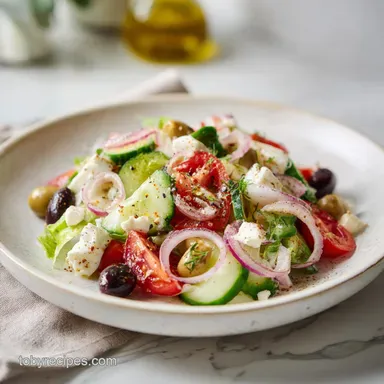
Antipasto Salad: Fresh and Easy
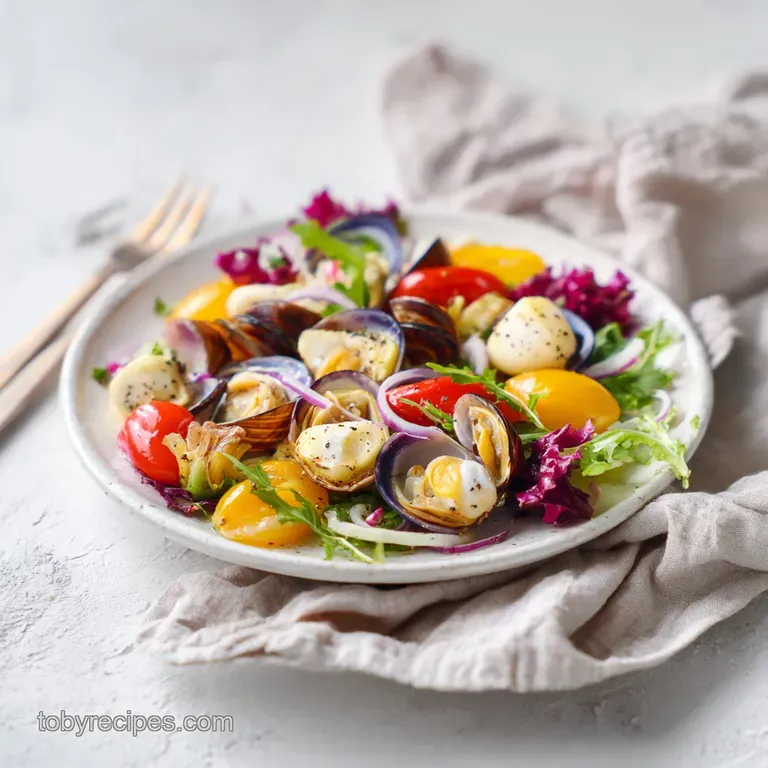
- Time: Active 15 minutes, Passive 0 minutes, Total 15 minutes
- Flavor/Texture Hook: Briny, shatter crisp greens with velvety mozzarella pearls
- Perfect for: Stress free backyard BBQs or a high protein meal prep lunch
- Why This Antipasto Salad Recipe Works
- Understanding Component Analysis and Roles
- Selecting High Quality Brines and Proteins
- Essential Tools for This Quick Assembly
- The Step by Step Mixing Guide
- Common Pitfalls and Easy Fixes
- Smart Planning for Large Batches
- Debunking Common Kitchen Myths
- Storage Guidelines and Freshness Tips
- Elegant Ways to Serve This Dish
- CRITICAL: Very High in Sodium
- Recipe FAQs
- 📝 Recipe Card
Why This Antipasto Salad Recipe Works
The moment you pop the lid off a jar of marinated artichokes, that sharp, vinegary aroma hits you, and you just know things are about to get good. I remember the first time I threw this together for a last minute patio hang.
I was worried it would just be a pile of cold cuts, but the magic happens when the salt from the olives meets the sweetness of those halved grape tomatoes. It isn’t just a salad; it’s a full on texture party where every bite gives you something different a little spicy kick from the pepperoncini followed by the creamy, mild finish of a mozzarella pearl.
We’ve all had those sad, soggy deli salads that have been sitting under fluorescent lights for too long. You know the ones where the lettuce has lost its soul and the dressing tastes like pure corn syrup. This version is the exact opposite because we’re building layers of flavor with intention.
By shaking up a fresh vinaigrette right before serving, you get that bright, punchy zing that makes the salami and pepperoni actually taste like high end charcuterie rather than just "salty meat." It's the kind of dish that makes people ask for the recipe before they've even finished their first helping.
- Emulsification Stability: The Dijon mustard contains mucilage which prevents the oil and vinegar from separating, ensuring a consistent coating on every ingredient.
- Acid Fat Balance: Red wine vinegar provides a high acid profile that neutralizes the heavy mouthfeel of the 115g Genoa salami and sharp provolone.
- Textural Contrast: Combining the "shatter" of cold romaine with the "velvety" mozzarella pearls creates a more engaging sensory experience.
- Osmotic Control: Adding the saltier elements like olives and meats last prevents the lettuce from wilting prematurely due to moisture loss.
| Servings | Ingredient Adjustments | Bowl Size | Prep Time |
|---|---|---|---|
| 2 People | Use 1/3 of the meat/cheese; keep 2 cups lettuce | Medium mixing bowl | 10 minutes |
| 6 People | Use full Schema quantities exactly | Large wooden salad bowl | 15 minutes |
| 12 People | Double all ingredients; use 2 heads romaine | Extra large catering bowl | 25 minutes |
Understanding Component Analysis and Roles
When you're putting together a recipe like this, it’s easy to think you can just toss everything in a bowl and call it a day. But there is a logic to why these specific items are on the list.
If you've ever wondered why your homemade dressings feel thin while restaurant ones feel "lush," it usually comes down to the way the fats are handled. We aren't just pouring oil on leaves here; we're creating a suspension that carries the dried oregano and garlic to every corner of the bowl.
If you are looking for something with a bit more heft, you might find my 15 minute zesty pasta salad is a great companion piece for a larger spread. This antipasto version is the lighter, more refined cousin, focusing on the quality of the deli cuts and the brine of the vegetables.
| Ingredient | Science Role | Pro Secret |
|---|---|---|
| Extra Virgin Olive Oil | Lipid Base | Use a "peppery" finished oil to mimic the heat of the red pepper flakes. |
| Dijon Mustard | Natural Emulsifier | Never skip this; it’s the "glue" that keeps your dressing from looking broken and greasy. |
| Red Wine Vinegar | Protein Denaturant | The acid actually softens the tough fibers in the salami ribbons, making them melt in-the mouth. |
| Fresh Mozzarella | Moisture Balance | These pearls absorb the surrounding dressing, becoming little flavor bombs after 5 minutes. |
Selecting high quality Brines and Proteins
To get the best results, you need to be picky at the deli counter. Don't just grab the pre packaged, translucent stuff. Ask for a thick cut Genoa salami so you can slice it into those satisfying ribbons that have some "chew." The sharp provolone should be aged just enough to have that slightly funky, nutty aroma that balances the heat of the pepperoncini.
- 120 ml extra virgin olive oil: Use cold pressed for the best flavor. Why this? Provides the silky mouthfeel and carries the fat soluble herb flavors.
- 60 ml red wine vinegar: Look for one with 6% acidity. Why this? The sharp "bite" is necessary to cut through the heavy pepperoni and cheese.
- 5 ml Dijon mustard: Smooth, not grainy. Why this? Essential for holding the oil and vinegar together in a thick emulsion.
- 2 cloves garlic, minced: Freshly crushed is better than jarred. Why this? Adds a sharp, pungent kick that wakes up the dried oregano.
- 5 ml dried oregano: Rub it between your palms first. Why this? Replaces fresh herbs with a deeper, earthier Mediterranean profile.
- 2.5 ml red pepper flakes: Adjust based on your spice tolerance. Why this? Provides a slow, humming heat that lingers on the palate.
- 115g Genoa salami: Sliced into ribbons. Why this? Adds a rich, fermented meat flavor and great visual texture.
- 115g Pepperoni: Quartered for bite sized pieces. Why this? Gives a spicy, smoky saltiness to the "protein" layer.
- 225g fresh mozzarella pearls: Drained of excess liquid. Why this? Their velvety texture contrasts with the crunchy romaine lettuce.
- 115g sharp provolone: Cubed into 1/2 inch pieces. Why this? Provides a firm, nutty bite that doesn't disappear in the dressing.
- 1 head Romaine lettuce: Chopped into 1 inch squares. Why this? The sturdy ribs provide the "shatter" crunch needed for a heavy salad.
- 170g marinated artichoke hearts: Drained and halved. Why this? Adds a tender, tangy vegetable component that feels luxurious.
- 100g pitted Kalamata olives: Whole or halved. Why this? Deep, wine like saltiness that anchors the lighter ingredients.
- 100g Castelvetrano olives: The bright green ones. Why this? Mild and buttery; they balance the intensity of the Kalamatas.
- 150g grape tomatoes: Halved lengthwise. Why this? Provides the only burst of sweetness and fresh juice in the bowl.
- 50g red onion: Thinly shaved. Why this? Adds a sharp "snap" and a pop of purple color.
- 8 pepperoncini peppers: Left whole for a classic look. Why this? The vinegar soaked heat is the signature of an authentic antipasto.
| Original Ingredient | Substitute | Why It Works |
|---|---|---|
| Genoa Salami | Prosciutto | Salty and thin, but skip the ribbons; just tear it into pieces. |
| Sharp Provolone | Aged White Cheddar | Provides a similar firm texture and sharp, salty bite. |
| Red Wine Vinegar | Lemon Juice | Same acidity levels but adds a citrusy, brighter top note. |
| Romaine Lettuce | Chopped Kale | Sturdier for long term storage; won't wilt for 48 hours. |
Essential Tools for This Quick Assembly
You don't need a kitchen full of gadgets, but a few specific items make this much easier. A large wooden bowl isn't just for looks; the porous surface actually grabs onto a tiny bit of the dressing, helping to season the bowl itself over time. I highly recommend a small glass jar (like an old jam jar) for the dressing.
Shaking is far more effective than whisking when you're trying to emulsify oil and vinegar in small batches.
Chef's Tip: Freeze your provolone cheese for about 10 minutes before cubing it. This prevents the cheese from crumbling or getting "shaggy" edges when you slice it, giving you those clean, sharp looking cubes.
If you're doing a lot of prep, a mandoline slicer is your best friend for the red onion. You want those slices so thin they're almost translucent it prevents the onion from overpowering the rest of the salad. Just be careful with your fingers!
The step by step Mixing Guide
- Combine the olive oil, red wine vinegar, Dijon, garlic, oregano, and red pepper flakes in a small jar. Note: Using a jar allows for high velocity agitation which is key for emulsification.
- Shake the jar vigorously for exactly 30 seconds until the liquid is opaque and creamy.
- Chop the romaine lettuce and place it at the bottom of your largest bowl. Note: The greens act as a mattress for the heavier toppings.
- Layer the halved grape tomatoes and shaved red onions over the lettuce.
- Add the halved artichoke hearts and both types of olives to the center.
- Slice the salami into ribbons and quarter the pepperoni, then scatter them over the vegetables.
- Add the mozzarella pearls and provolone cubes until the bowl looks colorful and crowded.
- Pour the emulsified dressing in a circular motion over the top of the ingredients.
- Toss gently with large spoons until every leaf has a glossy sheen.
- Serve immediately while the lettuce is at its peak crispness.
Common Pitfalls and Easy Fixes
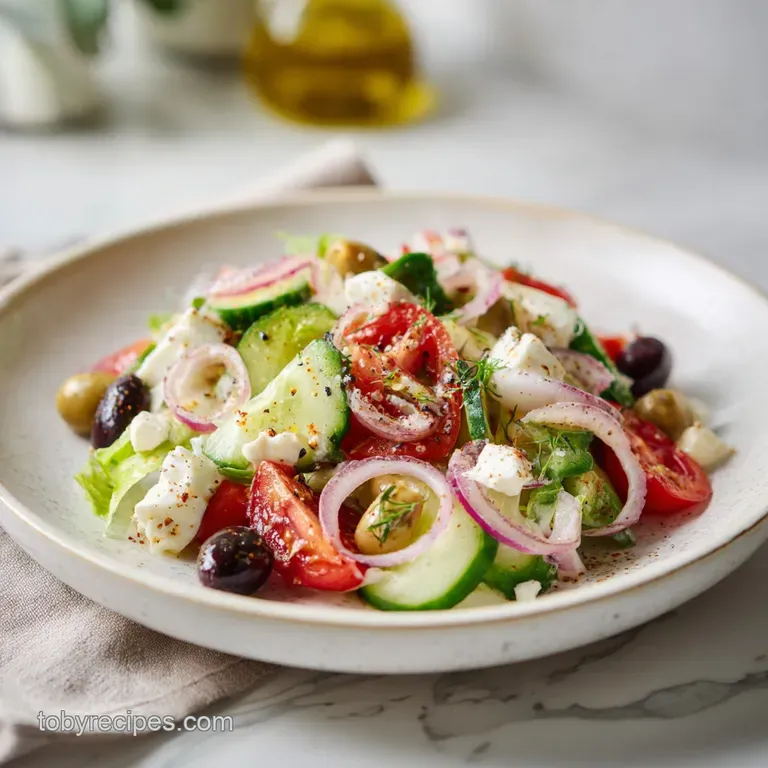
The biggest mistake people make with an antipasto salad recipe is "over dressing" too early. Because this salad has high moisture items like tomatoes and artichokes, the salt will start to draw water out of the vegetables the second they touch the dressing.
If you let it sit for two hours, you’ll end up with a puddle of pink liquid at the bottom.
Why Your Salad Is Watery
If you find a pool of liquid at the bottom, it's usually because the vegetables weren't drained properly. Marinated artichokes and olives carry a lot of extra brine. If that brine mixes with your oil based dressing, it breaks the emulsion and turns the whole thing thin and watery.
| Problem | Root Cause | Solution |
|---|---|---|
| Dressing won't stick | Ingredients are too wet | Pat the olives and artichokes dry with a paper towel before adding. |
| Greens are limp | Salt drew out moisture | Only toss the salad with dressing right before the "serve" step. |
| Flavors are flat | Dressing separated | Give the jar another 10 second shake before pouring it over. |
- ✓ Pat the mozzarella pearls dry after draining to ensure the dressing clings to them.
- ✓ Use a "shaving" technique for the red onion to avoid big, pungent chunks.
- ✓ Toss the salad starting from the bottom to bring the hidden dressing up to the top.
- ✓ Add the red pepper flakes to the oil first to help release their heat carrying capsaicin.
Smart Planning for Large Batches
When you're scaling this up for a party, don't just double everything blindly. For the spices and salt, start with 1.5x the amount and taste as you go. Over salting is a huge risk here because the meats and olives are already naturally very salty.
If you're making this for 12 people, you’ll definitely want to use two separate bowls for tossing to ensure you don't bruise the lettuce by over crowding.
If you're looking for a warm option to serve alongside this for a big crowd, this unstuffed cabbage casserole provides a great savory contrast that fills people up without costing a fortune.
| Method | Time | Texture | Best For |
|---|---|---|---|
| Stovetop (Peppers) | 5 minutes | Charred & Smoky | If you want to blister the pepperoncini for extra flavor. |
| Oven (Proteins) | 8 minutes | Crispy & Rendered | Roasting the pepperoni first if you prefer a "warm" salad crunch. |
| Raw Assembly | 0 minutes | Fresh & Snappy | The classic, quickest way to enjoy the recipe. |
Debunking Common Kitchen Myths
Myth: You must use expensive "imported" meats for a good salad. Truth: While high-quality meat is great, even standard deli counter Genoa salami works beautifully because the acidity in our dressing acts as a flavor booster. The key is the cut (ribbons vs.
Circles), not necessarily the price tag.
Myth: Antipasto always needs pasta to be a "real" meal. Truth: The "pasta" part of an antipasto salad recipe is actually a modern American addition. Traditional Italian antipasto (meaning "before the meal") focuses on cured meats, cheeses, and marinated vegetables.
Skipping the pasta makes this a fantastic keto friendly option that feels much lighter.
Storage Guidelines and Freshness Tips
Storage: This salad is best eaten within 1 hour of tossing. However, you can store the un tossed components (meats, cheeses, and hardy vegetables) in an airtight container in the fridge for up to 3 days.
Keep the dressing in its jar on the counter or in the fridge; if it solidifies in the fridge, just run the jar under warm water for 20 seconds and shake.
Zero Waste Tip: Don't throw away the oil from the marinated artichoke jar! It's packed with garlic and herb flavor. Use a tablespoon of it to replace some of the olive oil in the dressing for an extra layer of intensity.
Also, if you have leftover salami and cheese, they make a "killer" topping for a morning omelet the next day.
Elegant Ways to Serve This Dish
When it comes to presentation, I like to serve this in a wide, shallow bowl rather than a deep one. This allows the heavy ingredients to stay visible on top instead of sinking to the bottom where they get lost. For a "wow" factor, leave the pepperoncini peppers whole and nestle them around the edges like a crown.
The "Decadent" Presentation Hack
If you want to make this feel like a $25 restaurant salad, take a vegetable peeler to a block of Parmesan and drape long, thin "shards" over the top right before serving. It adds a different type of saltiness and makes the bowl look incredibly professional.
Pair this with a crusty baguette to soak up the leftover dressing at the bottom of the plate it’s the best part!
Whether you're making this as a side or a main, remember that the "best" version is the one that fits your pantry. Don't stress if you're out of Castelvetrano olives; just add a few more Kalamatas and call it a day.
The heart of this dish is the balance of salt, fat, and acid as long as you have those three, you’re golden. Let's get tossing!
CRITICAL: Very High in Sodium
1285 mg 1285 mg of sodium per serving (56% 56% of daily value)
The American Heart Association recommends limiting sodium intake to no more than 2,300mg per day, and ideally to no more than 1,500mg per day for most adults.
Tips to Reduce Sodium
-
Choose Lower Sodium Cured Meats-25%
Replace Genoa salami and pepperoni with their lower sodium versions. This can significantly cut down on added salt.
-
Opt for Reduced Sodium Cheeses-15%
Select low-sodium sharp provolone and mozzarella pearls. Cheeses are a hidden source of sodium, and lower sodium options make a difference.
-
Rinse Olives and Artichoke Hearts-20%
Thoroughly rinse the Kalamata olives, Castelvetrano olives, and marinated artichoke hearts under cold water before adding them. This washes away a significant portion of their briny sodium.
-
Boost Flavor with Herbs & Spices
Increase the amount of dried oregano and red pepper flakes. Consider adding fresh basil or parsley to enhance flavor without adding sodium.
-
Select Unmarinated Artichoke Hearts-20%
If possible, use artichoke hearts packed in water or oil without added salt instead of marinated ones, as the marinade often contains a lot of sodium.
Recipe FAQs
What is the difference between antipasto and antipasti salad?
There is no difference in substance, only in grammar. Antipasto is the singular Italian term for the appetizer course, while antipasti is the plural form; both refer to the same combination of cured meats, cheeses, and pickled vegetables found in this salad.
What dressing do you use for antipasto salad?
Use a classic vinaigrette of olive oil, red wine vinegar, Dijon mustard, garlic, oregano, and red pepper flakes. If you enjoyed nailing the stable emulsion here, you can use the same vigorous 30-second shaking technique to perfect our Easy Fluffy Pancakes batter for a light, aerated texture.
What is the Jennifer Aniston salad?
It is a completely different recipe. That viral salad typically features bulgur wheat, chickpeas, and cucumber, whereas an authentic antipasto salad relies on a base of chopped romaine, cured Italian meats, and aged cheeses.
Do cucumbers go in antipasto salad?
No, cucumbers are not part of this traditional recipe. We prioritize salty, briny elements like Kalamata olives, Castelvetrano olives, and marinated artichoke hearts to provide the characteristic flavor profile instead.
How to keep the salad from getting soggy?
Store all components separately and dress only seconds before serving. Keep your meats, cheeses, and chopped romaine in the fridge, and only toss everything together when you are ready to eat to maintain the crunch of the lettuce.
How to prep the ingredients for the best texture?
Slice your salami into ribbons and quarter your pepperoni to match the size of the mozzarella pearls. Uniform sizing ensures that every forkful contains a perfect balance of salty meat, creamy cheese, and crisp greens.
Is it true the dressing must be at room temperature?
No, this is a common misconception. While olive oil can solidify in the fridge, you simply need to run the jar under warm water for 20 seconds and shake it to bring the vinaigrette back to a perfect, pourable consistency.
Easy Antipasto Salad