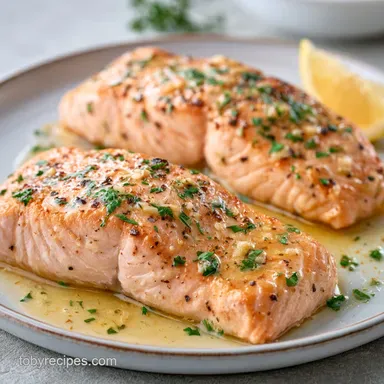
Baked Salmon Recipe: Silky and Flaky
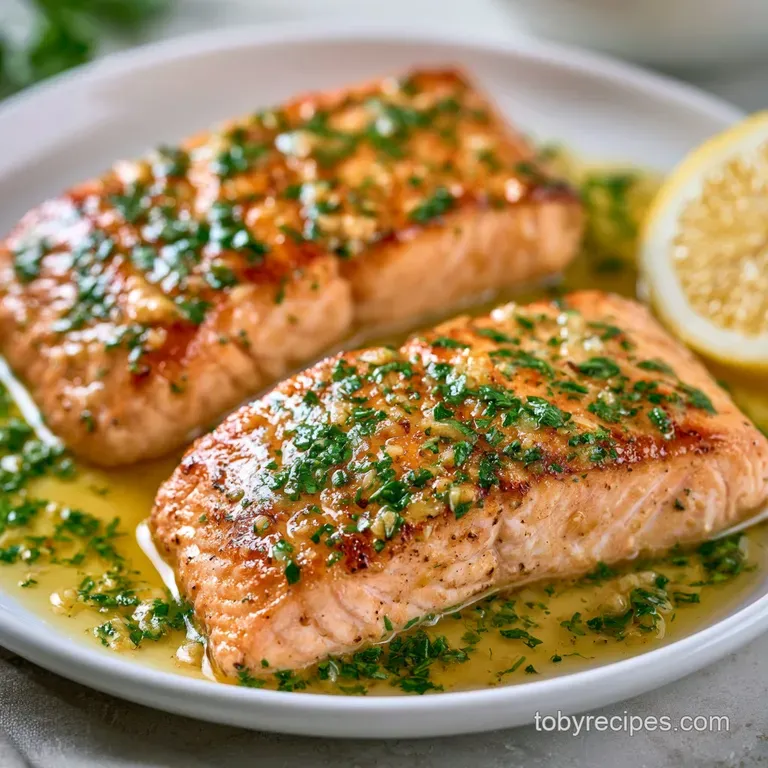
- Time: 5 min active + 15 min baking = Total 25 min
- Flavor/Texture Hook: Silky, flaky fillets with a zesty, garlic infused crust
- Perfect for: Quick weeknight dinners or a low effort date night
That sharp, bright zing of lemon hitting hot butter is the smell of a win in my kitchen. For the longest time, I lived in absolute terror of salmon. I’d either undercook it and feel like I was eating something raw, or I’d panic and leave it in too long, turning a beautiful piece of fish into a dry, cardboard brick.
It’s a high stakes game when you're dealing with a piece of protein that costs a few bucks a pound.
Then I realized the problem wasn't the fish, it was my timing. I was guessing based on a timer instead of actually checking the meat. Once I started treating the internal temperature like a hard rule rather than a suggestion, everything changed.
This baked salmon recipe is the result of those "learning the hard way" moments, stripped down to only what actually works for a home cook who doesn't have three hours to spend at the stove.
You can expect a result that's buttery and tender, with those clean, flaky layers that just slide apart with a fork. It's a straightforward process that doesn't require any fancy equipment, just a baking sheet and a bit of patience while it rests.
Baked Salmon Recipe for Easy Weeknights
Right then, let's talk about why we're doing it this way. Most people treat salmon like a steak, but it's much more delicate. The goal here is to hit a high temperature quickly to get some color on top, but pull it out before the proteins tighten up and squeeze out all the moisture.
The secret is the resting period. If you eat it the second it comes out of the oven, you're missing the best part. The heat continues to move toward the center of the fillet even after it's off the tray. This carryover cooking is what takes the fish from "almost there" to that silky, buttery consistency we're after.
But what about the white stuff that sometimes leaks out? That's just albumin, a protein that pushes out when the muscle fibers contract too fast. It's totally safe to eat, but pulling the fish at 135°F usually keeps it to a minimum, making the final plate look much cleaner.
What Makes This So Good
The Fat Barrier: Coating the fish in olive oil and butter creates a protective layer that keeps the interior juicy.
Acid Balance: The lemon juice cuts through the richness of the salmon's natural fats, brightening the whole flavor profile.
Over High heat Roasting: Cooking at 400°F ensures the outside gets a slight crust without overcooking the middle.
Resting Phase: Giving the meat 5 minutes to settle allows juices to redistribute, preventing that "dry" feeling.
| Method | Time | Texture | Best For |
|---|---|---|---|
| Oven Baked | 15 mins | Evenly tender, silky | Large batches, low stress |
| Stovetop Pan Sear | 8 mins | Crispy skin, tighter grain | Single fillets, high contrast |
| Poaching | 10 mins | Soft, velvety, moist | Salads, cold appetizers |
The Building Blocks
When you're picking your fish, remember that different salmon have different fat contents. Atlantic salmon is usually the most buttery and forgiving, while Sockeye is leaner and can dry out faster. For this baked salmon recipe, Atlantic or King salmon works best because they can handle the high heat of the oven.
The fats we use are just as important. We use olive oil first to prevent sticking and provide a base, but the melted butter is where the flavor lives. Butter has a lower smoke point than oil, which is why we mix it into a glaze rather than just frying the fish in it.
Component Analysis
| Ingredient | Science Role | Pro Secret |
|---|---|---|
| Kosher Salt | Moisture Control | Use coarse salt to avoid over salting the surface |
| Lemon Juice | Protein Tenderizer | Add it to the glaze, not just on top, for even penetration |
| Unsalted Butter | Flavor Carrier | Melt it slowly to keep the emulsion stable |
| Garlic | Aromatic Base | Mince it into a paste for a smoother glaze |
Equipment Needed
You don't need a professional kitchen for this. A standard rimmed baking sheet is your best friend here. The rim is crucial because the butter glaze can occasionally bubble over, and you don't want a grease fire in your oven.
I highly recommend using parchment paper or a silicone mat. Salmon is notorious for sticking to metal, and there's nothing worse than tearing a beautiful fillet in half while trying to move it to a plate.
If you're using a digital meat thermometer, make sure it's an instant read version so you aren't leaving the oven door open for a minute while you check the temp.
Step-by-step Instructions
Preparing the Foundation
- Preheat your oven to 400°F (200°C). Line a large rimmed baking sheet with parchment paper or a silicone mat. Note: Preheating ensures the fish starts cooking immediately upon contact.
- Pat the salmon fillets completely dry with paper towels. Rub each fillet with olive oil, then season with kosher salt and cracked black pepper. Note: Moisture on the surface creates steam, which prevents that nice roasted finish.
Applying the Flavor Profile
- In a small mixing bowl, whisk together the melted unsalted butter, minced garlic, fresh lemon juice, dried dill, and lemon zest.
- Spoon the lemon herb glaze evenly over the top of each fillet, ensuring the edges are well coated. Note: Coating the sides prevents the edges from curling and drying out.
Executing the Bake
- Bake for 12 to 15 minutes. Use a digital meat thermometer to remove the salmon when the thickest part reaches 135°F (57°C). Wait until the flesh looks opaque but still slightly translucent in the very center.
- Transfer the salmon to a plate and let it rest for 5 minutes to reach a final internal temperature of 145°F (63°C) via carryover cooking. The fish should feel springy, not firm, when pressed.
Common Mistakes & Troubleshooting
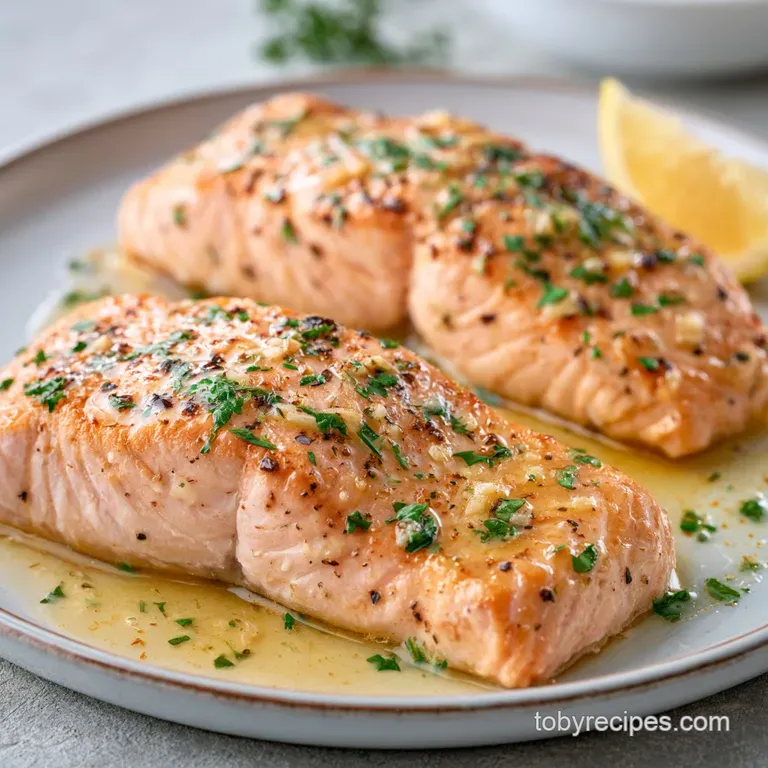
One of the biggest issues people have with a baked salmon recipe is the texture. If your fish feels like rubber, you've likely pushed past the 145°F mark. According to USDA Food Safety, 145°F is the recommended internal temp, but if you go to 155°F or 160°F, the proteins contract so tightly that they squeeze out all the liquid.
Another common gripe is "blandness." This usually happens because the salt was added too late or not in enough quantity. Salt doesn't just add flavor; it helps the proteins hold onto water. If you don't season the fish before the glaze goes on, the flavor stays on the surface rather than penetrating the meat.
Solving Texture and Taste
| Problem | Root Cause | Solution |
|---|---|---|
| Rubbery Texture | Overcooked past 145°F | Pull fish at 135°F and let it rest |
| Sticking to Pan | No parchment or oil | Use a silicone mat or parchment paper |
| Bland Flavor | Under seasoned base | Salt the fillets before adding the glaze |
Quick Quality Check
- ✓ Fillets are patted bone dry before oiling.
- ✓ Oven is fully preheated to 400°F.
- ✓ Thermometer is inserted into the thickest part of the fillet.
- ✓ Resting time of 5 minutes is strictly followed.
- ✓ Glaze is applied to the sides, not just the top.
Flavor Variations to Try
If you want to change things up, this base is incredibly flexible. For a keto baked salmon version, you're already mostly there since this recipe is naturally low carb. You can swap the dried dill for fresh parsley and add a pinch of paprika for a smokier vibe.
For those who love a bit of sweetness, a brown sugar baked salmon style is a crowd pleaser. Just whisk a tablespoon of brown sugar and a splash of soy sauce into the butter glaze. It creates a sticky, caramelized top that's a bit more indulgent.
If you're feeling adventurous, an asian baked salmon recipe can be made by replacing the butter with toasted sesame oil and adding grated ginger to the mix.
For a side that balances the richness of the fish, I usually go with a strawberry spinach salad, as the acidity of the berries cuts right through the butter. If you want something heartier, these fillets go great with some parmesan potato stacks for a more filling dinner.
Adjusting Your Portion Size
When you're cooking for just one or two people, don't just cut the time in half. The oven temperature stays the same, but because there's less mass in the oven, the fillets might cook 1-2 minutes faster. Keep a close eye on them starting at the 10 minute mark.
If you're feeding a crowd (say, 8 people), avoid crowding the pan. If the fillets are touching, they'll steam instead of roast, and you'll lose that nice surface texture. Use two separate baking sheets and rotate them halfway through the cook time to ensure even heat distribution.
For larger batches, I find that increasing the salt and spices by only 1.5x (rather than 2x) keeps the flavor balanced.
Salmon Cooking Myths
You've probably heard that you need to sear salmon in a pan first to "seal in the juices." This is a total myth. Searing creates flavor and texture, but it doesn't create a waterproof seal. Moisture loss happens regardless of how you start the cook.
In this baked salmon recipe, the butter glaze does a much better job of keeping the fish moist than a quick sear would.
Another common misconception is that you should cook salmon until it's "opaque all the way through." If you wait until the center is completely opaque while it's still in the oven, it's already overcooked. By the time you finish the 5 minute rest, it'll be dry.
Aim for that slightly translucent center when you pull it out.
Preservation Secrets
Leftover salmon is great, but it's easy to ruin during the reheat. Store your cooked fillets in an airtight container in the fridge for up to 3 days. To avoid that "fishy" smell in your fridge, wrap the container in a bit of foil or use glass containers with locking lids.
For reheating, please avoid the microwave if you can. Microwaves vibrate water molecules, which basically "boils" the fish from the inside out, making it rubbery in seconds. Instead, pop the fillet in a 275°F (135°C) oven for about 10 minutes, or gently warm it in a pan with a tiny bit of butter over low heat.
If you're freezing, it's best to freeze the salmon raw. Wrap fillets tightly in plastic wrap, then place them in a freezer bag. They'll stay good for 2-3 months. Just make sure to thaw them completely in the fridge overnight before using this baked salmon recipe.
As for zero waste, don't throw away the lemon rinds or the salmon skin if you've removed it. Salmon skin is packed with omega-3s; just crisp it up in a pan with salt and pepper for a high protein snack. You can also toss the leftover lemon zest and scraps into a compost bin or use them to infuse a homemade vinegar.
Pairing Ideas
Because this dish is so buttery, you want sides that bring some contrast. Something crisp or acidic works best. A simple steamed asparagus bunch with a squeeze of lemon is the classic choice, but I like to go with something a bit more vibrant.
A cold cucumber salad with rice vinegar and sesame seeds provides a refreshing crunch that cleanses the palate between bites of the rich fish. If you're looking for a grain, a light quinoa pilaf with chopped parsley and mint keeps the meal feeling healthy and fresh.
For a drink, a crisp Sauvignon Blanc or a chilled sparkling water with a lime wedge complements the lemon herb profile without overpowering the delicate taste of the salmon. This combination turns a simple baked salmon recipe into a meal that feels way more expensive than it actually is.
Recipe FAQs
Is it better to bake salmon at 350 or 400 in the oven?
400°F is better. This higher temperature ensures the exterior sets properly and the fish cooks quickly, which prevents the interior from drying out.
How long is salmon in the oven at 400 degrees?
Bake for 12 to 15 minutes. Remove the fillets when the thickest part reaches 135°F, as they will rise to 145°F while resting.
How to bake salmon for gastritis?
Omit the garlic, lemon juice, lemon zest, and black pepper. Bake the fillets using only olive oil and salt to avoid irritating the stomach lining.
How to cook salmon for a diabetic?
Follow the recipe as written. This meal is naturally sugar-free and pairs perfectly with a Low Carb Taco Salad for a balanced, low-glycemic dinner.
Is it true I must cook salmon to 160°F for it to be safe?
No, this is a common misconception. The USDA recommends an internal temperature of 145°F; cooking to 160°F over contracts the proteins and makes the fish rubbery.
Why is my baked salmon rubbery?
You likely overcooked the fillets. Once the internal temperature exceeds 145°F, the muscle fibers squeeze out all the moisture, resulting in a tough texture.
How to stop salmon from sticking to the baking sheet?
Line your pan with parchment paper or a silicone mat. This creates a physical barrier that prevents the fish skin and glaze from bonding to the metal.
Baked Salmon Recipe